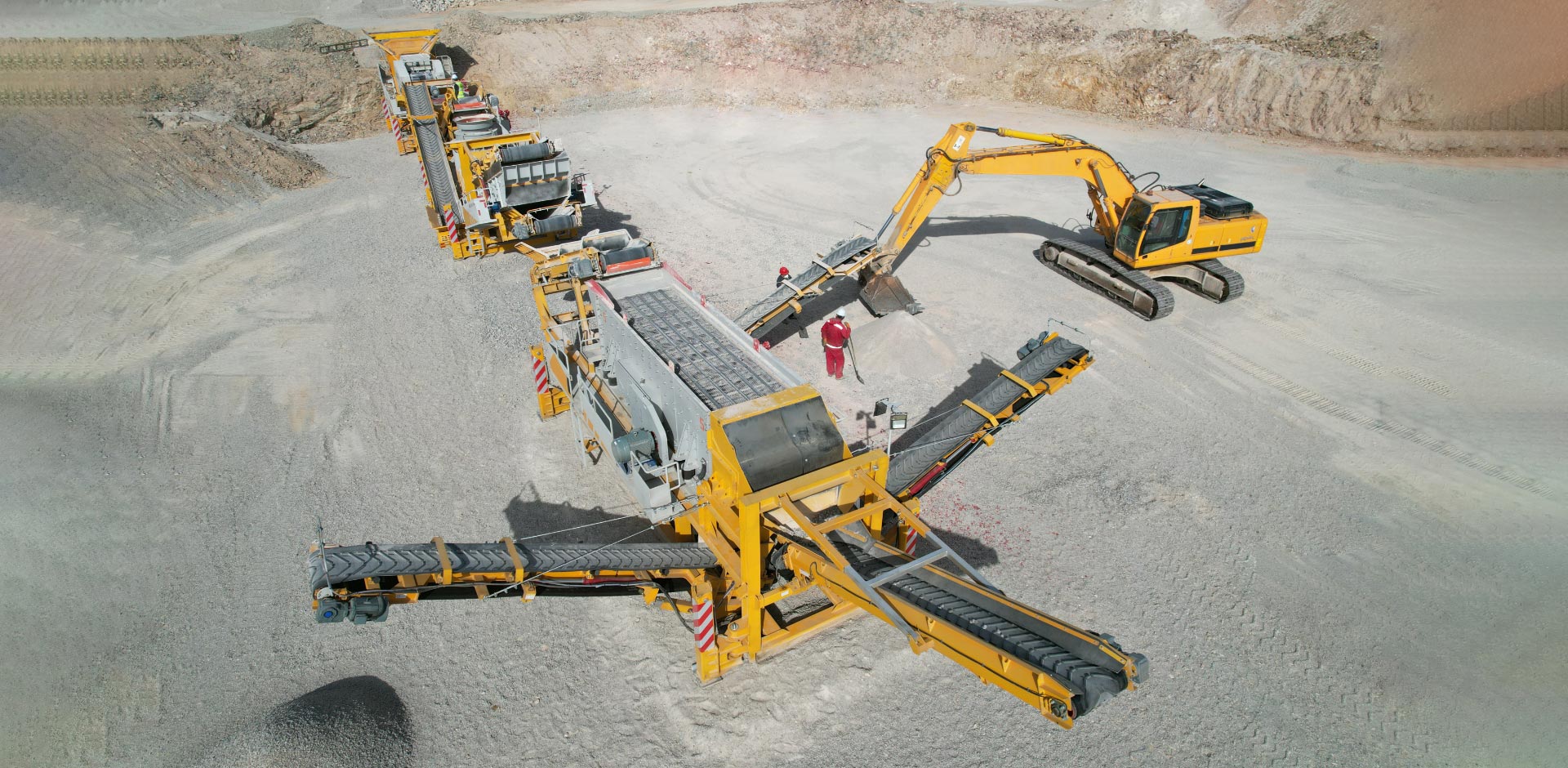
A profitable stone crushing business is not built around the crusher alone. It depends on how effectively quarrying, material processing, inventory management, and aggregate sales work together. When these activities are planned as one integrated operation, operators can reduce production costs, improve equipment utilization, maintain consistent aggregate quality, and respond faster to market demand. The right combination of quarry resources, crushing equipment, screening capacity, and sales strategy can turn a raw rock deposit into a stable and scalable business.
Start with Quarry Planning and Market Demand
The first step is to understand both the quarry resource and the local aggregate market. Rock type, hardness, geological structure, available reserves, and overburden conditions determine how easily the material can be extracted and processed. At the same time, nearby construction projects may require different products, such as coarse aggregate, manufactured sand, road base, or smaller crushed stone.
This information should guide the production plan before equipment is purchased. For example, a quarry supplying highway projects may prioritize durable coarse aggregates, while an urban supplier may have stronger demand for concrete aggregates and manufactured sand. Matching quarry output with actual customer demand prevents the business from producing large quantities of materials that are difficult to sell.
Build a Crushing Process Around the Quarry Material
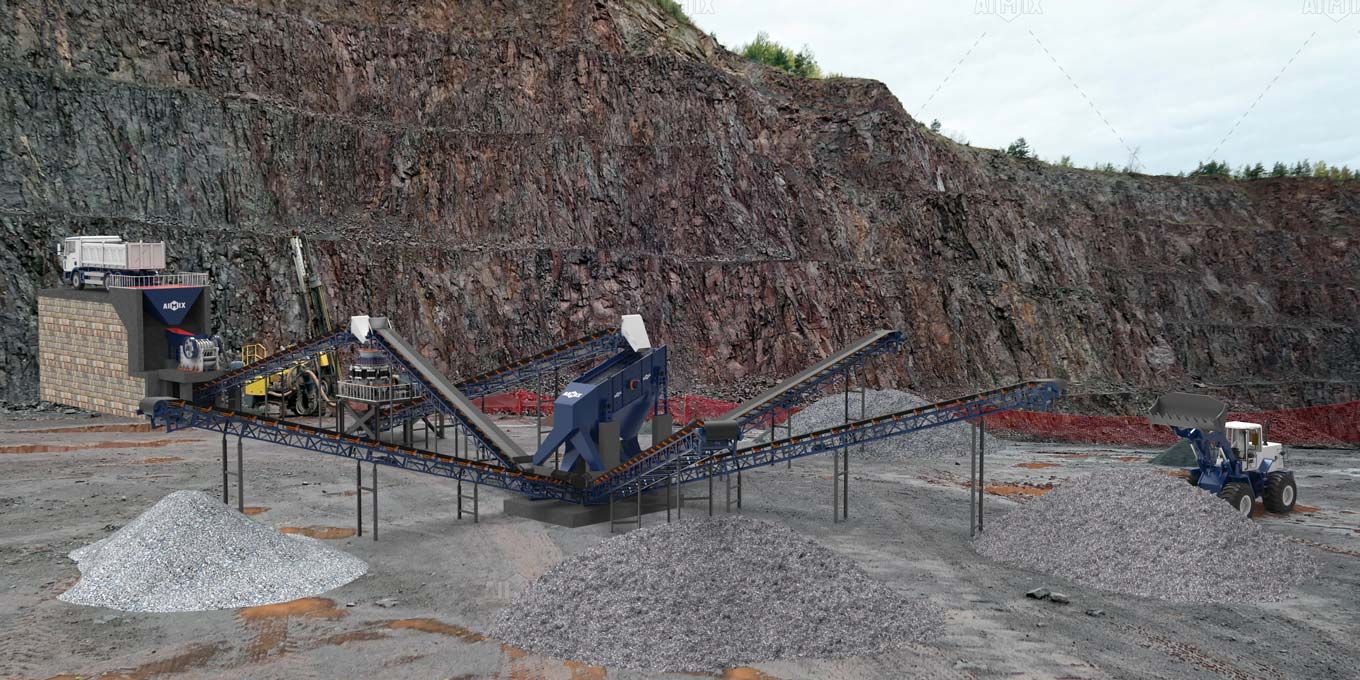
Once the raw material and target products are understood, the next step is to design an appropriate processing line. A typical operation may use primary crushing to reduce large blasted rocks, followed by secondary or tertiary crushing and screening to produce several marketable sizes.
Modern stone crushing plants can be configured around different production requirements. A jaw crusher is commonly used for primary reduction, while cone crushers or impact crushers can be selected for further processing depending on the rock characteristics and desired product shape. Screening is equally important because it separates finished aggregates and sends oversize material back for additional crushing.
The goal is not simply to install the largest crusher available. Equipment capacity should be balanced across the entire process. If the crusher produces more material than the screens can handle, the screening stage becomes a bottleneck. If the screening system has excessive capacity but the quarry cannot supply enough feed, the investment may remain underutilized.
Use Mobile Equipment When Quarry Conditions Change
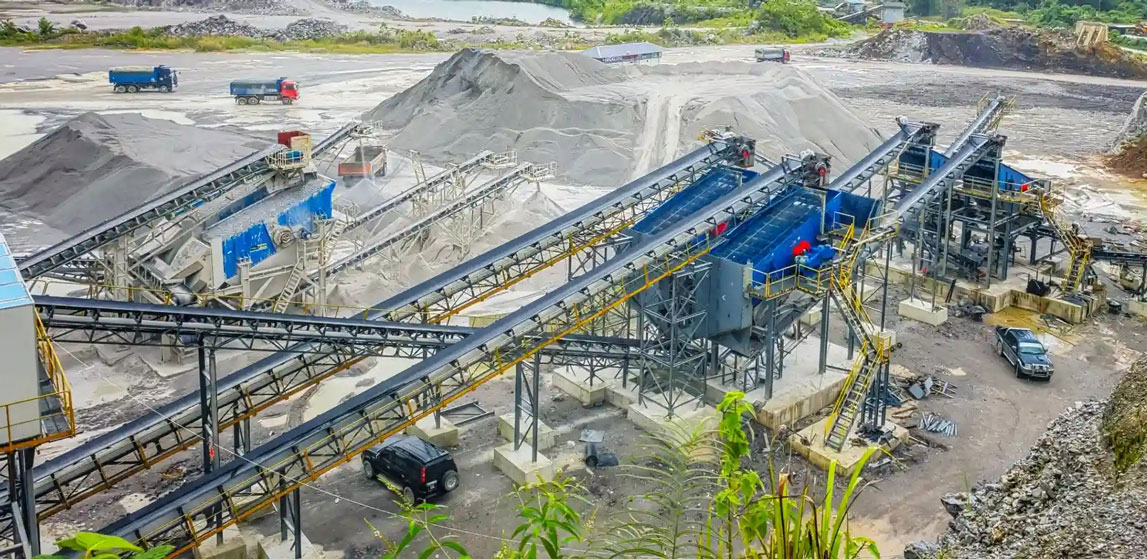
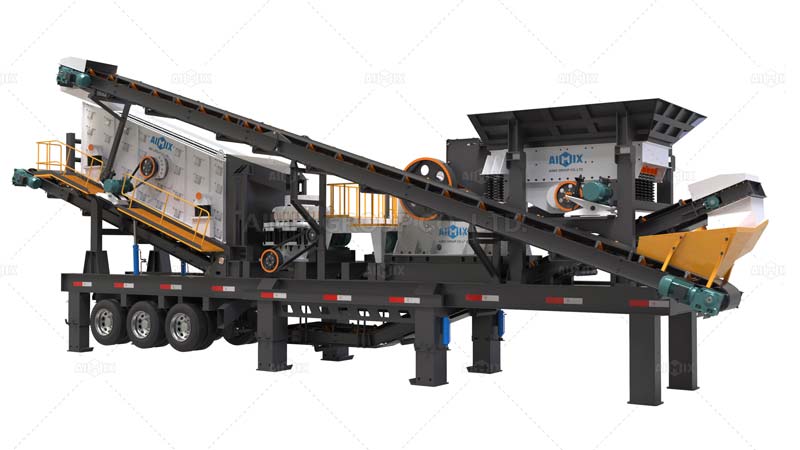
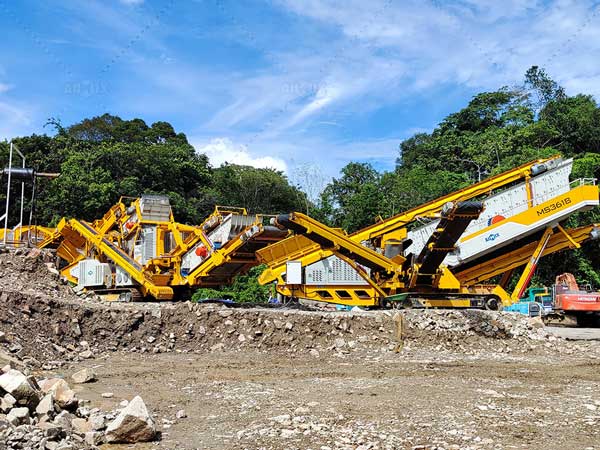
Mobility can be particularly valuable when quarrying takes place across a large site or when crushing needs to follow the extraction area. A mobile crushing and screening plant can combine crushing and screening functions in a relocatable configuration, reducing the need to transport raw rock over long distances.
This approach can lower internal hauling requirements and simplify operations in temporary or remote quarry sites. Instead of moving large quantities of blasted rock from the extraction face to a fixed processing area, the crushing equipment can be positioned closer to the material source.
However, mobile equipment should be selected according to the site’s actual conditions. Access roads, ground conditions, material size, production targets, and relocation frequency all affect the appropriate configuration. For long-term, high-volume quarrying at a fixed location, a stationary solution may still provide better production efficiency and easier expansion.
Connect Production Capacity with Aggregate Sales
Crushing more stone does not automatically mean earning more money. The business needs to produce the right combination of products at the right time. Aggregate sales should therefore influence production scheduling, rather than being treated as a separate activity after crushing.
For example, if customers are currently purchasing more 10–20 mm aggregate than 20–30 mm material, the screening configuration and production plan can be adjusted accordingly. Multiple product sizes can also help diversify revenue by allowing the same quarry resource to serve concrete producers, asphalt plants, road contractors, and general construction projects.
Inventory management is another important consideration. Producing too much unsold aggregate ties up working capital and occupies valuable stockpile space. A well-managed stone crushing business should monitor sales orders, stock levels, seasonal demand, and upcoming construction projects to determine how much material needs to be produced.
Choose the Quarry Crusher Based on Total Operating Cost
The choice of a quarry stone crusher should be based on the complete operating system rather than its initial purchase price. Fuel consumption, wear-part costs, maintenance requirements, downtime, labor requirements, and achievable production all influence the actual cost per ton.
For hard and abrasive rock, for example, a crusher with appropriate wear protection may provide better long-term value even if its initial investment is higher. Similarly, an efficient feeding and screening system can reduce unnecessary recirculation and improve the overall cost efficiency of the plant.
Operators should also consider future production requirements. If the quarry has sufficient reserves and sales are expected to grow, the crushing line should leave room for additional screening, conveyors, or crushing stages. Designing for reasonable expansion can prevent the business from facing a complete plant replacement when demand increases.
Coordinate Quarrying, Processing, and Delivery
The three stages of the business should operate according to one production schedule. Quarrying needs to provide a stable feed supply, the crushing plant needs to maintain consistent production, and transportation needs to move finished aggregates to customers without creating excessive stockpiles.
Poor coordination can create hidden costs. If blasting is delayed, the crusher may sit idle. If crushing continues while trucks are unavailable, finished material accumulates. If customer deliveries are not synchronized with production, stockpile management becomes more difficult and cash flow may suffer.
Digital monitoring and production records can help operators understand where these problems occur. Tracking feed volume, finished product output, equipment downtime, fuel use, and sales volumes provides a clearer picture of the entire operation and makes it easier to identify the stage limiting profitability.
Build the Business Around Long-Term Customer Relationships
A sustainable stone crushing business needs more than reliable equipment and sufficient rock reserves. Consistent product quality and dependable delivery are important factors in retaining customers. Contractors and concrete producers often prefer suppliers who can provide stable specifications and predictable quantities throughout a project.
For this reason, quality control should be integrated into daily production. Screen performance, crusher settings, feed conditions, and material characteristics all influence final aggregate quality. Regular testing can help ensure that products meet customer requirements and reduce complaints or rejected loads.
In the long term, quarrying, crushing, and aggregate sales should be treated as one connected business system. Better coordination allows operators to extract resources efficiently, process them into valuable products, and sell those products according to real market demand. This integrated approach can improve equipment utilization, control the cost per ton, reduce unnecessary transportation, and create a stronger foundation for expanding the stone crushing business.