Chile’s unique geography—stretching thousands of kilometers from the hyper-arid Atacama Desert to the icy, rugged terrain of Patagonia—presents extraordinary engineering and logistical challenges for regional infrastructure and civil construction. Across the nation, major highway expansions, massive mining access roads, and urban developments rely heavily on a continuous, high-volume supply of high-grade construction aggregates. Establishing a high-performing stone crushing plant in Chile(planta chancadora de piedra Chile) requires a deep technical understanding of regional rock hardness, strict local environmental regulations, and strategic equipment matching to maximize operational efficiency and keep production costs low.
This article provides an in-depth, modern framework for setting up a highly efficient material processing circuit tailored specifically to the geological and economic conditions found across Chilean mining and construction sites.
Understanding Chilean Geology and Quarry Realities
The success of any crushing venture in South America begins with a thorough material analysis of local geological reserves. Chilean quarries predominantly extract extremely dense, highly abrasive igneous and volcanic rocks, including hard basalt, granite, and copper-bearing gangue minerals. These high-compressive-strength rocks exert massive wear and tear on mechanical components, meaning off-the-shelf equipment configurations will suffer frequent breakdowns if not properly designed for heavy-duty applications.
Furthermore, because many infrastructure projects take place in remote, high-altitude mountain corridors, transportation logistics play a massive role in overall profitability. Hauling raw boulders over long distances is economically unviable. Designing an efficient setup requires minimizing internal haulage, cutting energy consumption per ton, and strictly complying with national dust control and water preservation mandates.
Designing a Multi-Stage Crushing Circuit
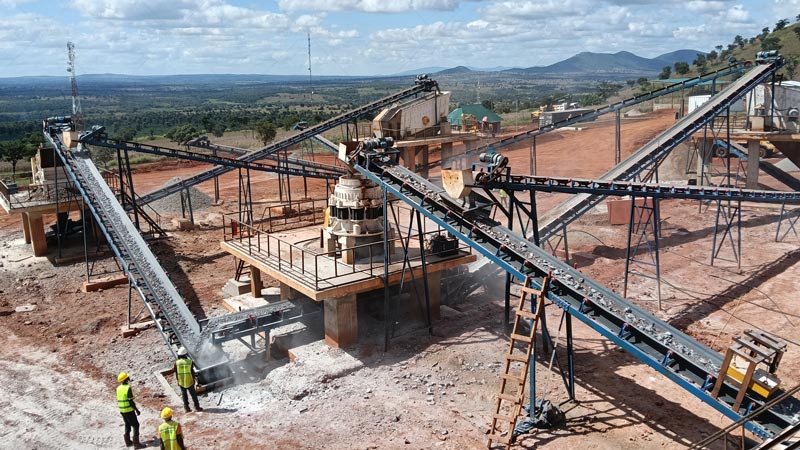
Achieving a balanced particle size distribution and high throughput requires a progressive reduction philosophy. Attempting to reduce massive raw boulders to finished aggregate sizes in a single pass leads to excessive equipment wear, poor particle shape, and frequent clogging. Instead, high-efficiency plants distribute the workload across distinct, specialized processing stages.
Primary Stage: Heavy-Duty Primary Reduction
The primary station serves as the first point of contact for run-of-mine materials direct from blasting or excavation sites. To handle large, abrasive feed sizes without stalling, a heavy-duty jaw crusher is universally relied upon as the primary reduction engine. Utilizing deep crushing chambers and high-thrust toggle mechanisms, it applies extreme compressive forces to fracture massive rock slabs into manageable intermediate feed sizes. Selecting jaw plates forged from high-manganese steel ensures extended service life when processing tough Chilean granite.
Secondary and Tertiary Stages: Fine Shaping and Gradation
Once material exits the primary stage, it flows toward secondary and tertiary processing stations for sizing and geometric refinement. Modern civil engineering codes in Chile demand strict cubicity in aggregates used for structural concrete and asphalt wearing courses. To achieve these tight tolerances, a precision cone crusher(molino de cono) is integrated into the closed-loop circuit. Operating on interparticle comminution principles, this equipment shatters rock along natural grain boundaries, producing uniform, high-strength cubical aggregate while drastically reducing elongated or flaky particles that compromise concrete durability.
Enhancing Operational Flexibility across Regional Sites
While stationary production facilities excel in long-term, high-volume quarries, many road-building, bridge, and mining bypass projects across the Chilean Andes demand operational agility and rapid setup times. Erecting permanent steel structures for short-term projects creates unnecessary capital expenditure and excessive site restoration burdens.
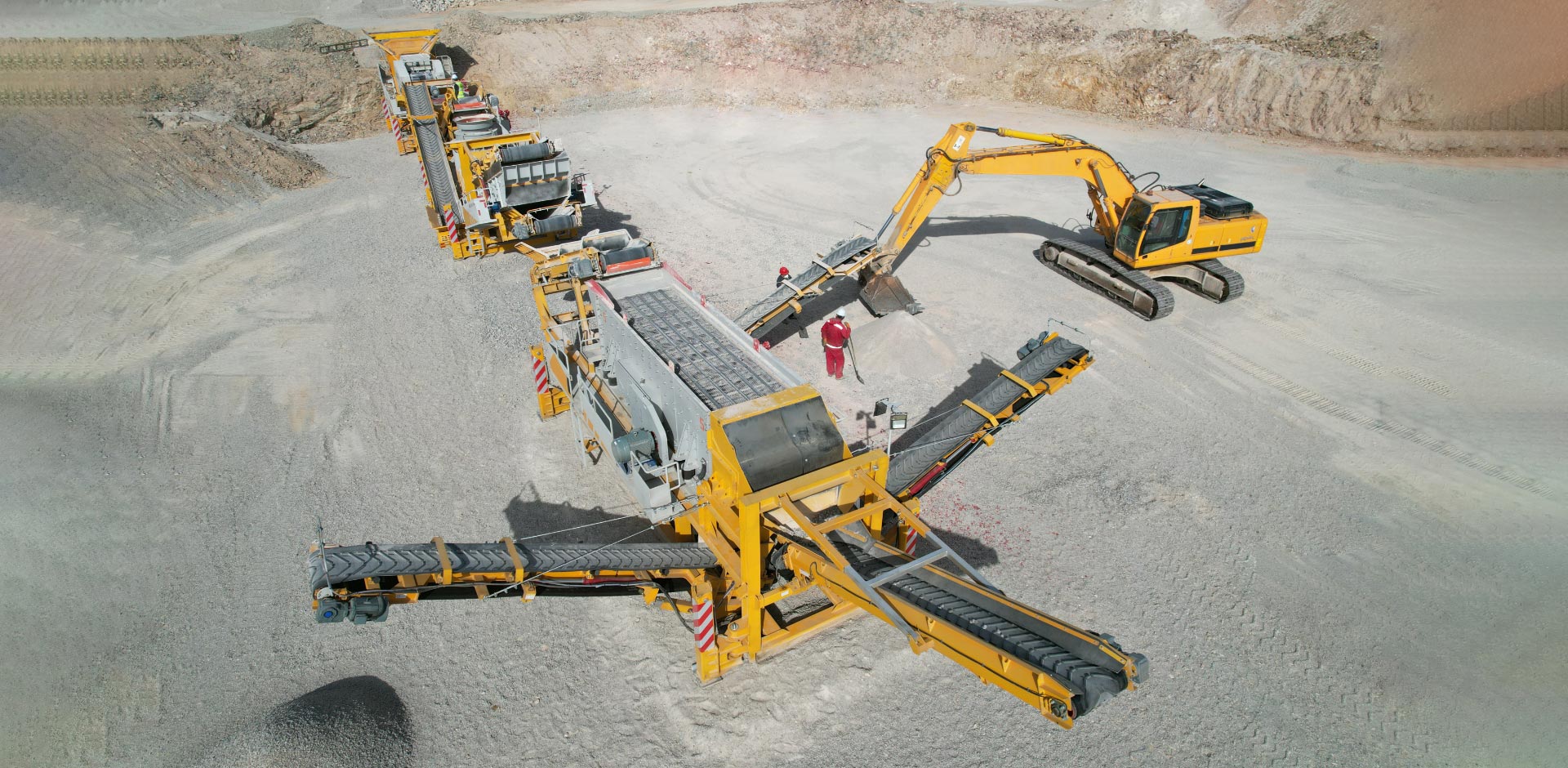
To overcome these geographic constraints, modern fleets frequently incorporate a high-capacity portable stone crusher(trituradora de piedra portátil) into their operational strategies. Wheel- or track-mounted mobile units allow operators to move processing capacity directly to the quarry face or construction site. By processing rock on-site, civil contractors eliminate long-distance material transport fees, reduce fuel consumption, minimize carbon emissions, and significantly shorten project execution timelines.
Workflow Synchronization and Plant Automation
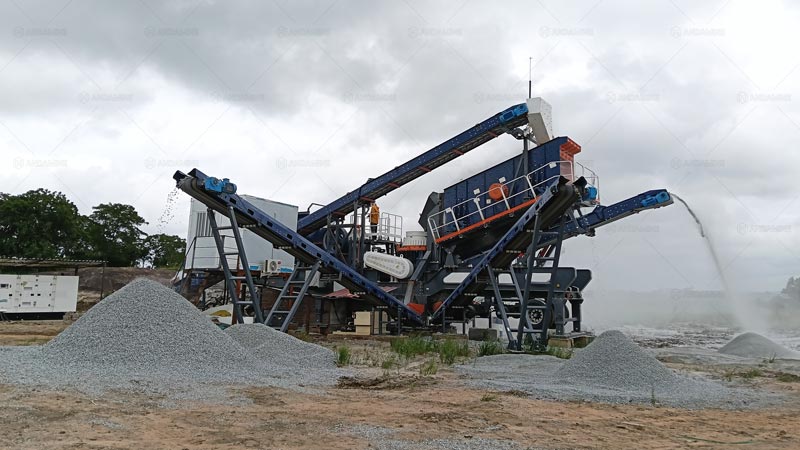
An optimized crushing plant relies on seamless synchronization between all mechanical units to avoid starvation or choking along the production line. High-frequency vibrating feeders, inter-stage surge bins, and variable-speed conveyor belts must work together to maintain a constant, choked feed rate to secondary crushers.
| Production Stage | Equipment Type | Operational Purpose in Chile |
|---|---|---|
| Primary Reduction | Jaw Crusher(Quebradora de Quijada) | Breaks down massive, abrasive run-of-mine boulders. |
| Secondary / Tertiary Shaping | Cone Crusher | Delivers uniform, cubical aggregates for high-strength concrete. |
| On-Site Mobility | Portable Stone Crusher | Reduces haul costs in remote mountainous infrastructure projects. |
In addition, closed-loop screening arrangements automatically return oversized discharge back into secondary circuits for re-crushing, ensuring that 100% of final output meets precise project specifications without wasting raw material.
Optimizing Lifecycle Maintenance and Energy Efficiency
In Chile’s competitive construction market, long-term profitability hinges on proactive maintenance and low per-ton operating costs. Dusty, high-altitude operating conditions demand automated lubrication systems, advanced dust extraction hoods, and real-time sensor monitoring to detect bearing play or liner wear before critical failures occur.
Adopting electric or hybrid diesel-electric power systems across crushing spreads can further drive down operational expenses, allowing producers to capitalize on Chile’s growing renewable energy grid. By combining durable machinery, mobile operational spreads, and intelligent workflow automation, modern rock processing operations can reliably supply the essential building blocks for the nation’s future infrastructure.