Concrete placement is a critical stage in Nigerian drainage construction, where the quality of the finished structure depends not only on concrete strength but also on how efficiently and accurately the material reaches the formwork. Drainage channels, culverts, box drains, retaining structures, and roadside waterways often involve narrow working areas, uneven terrain, long construction corridors, and rapidly changing site conditions. These factors can make conventional concrete delivery cumbersome, particularly when concrete must be placed continuously before setting begins.
For contractors, the challenge is therefore broader than simply producing concrete. Material consistency, transportation distance, pumping pressure, site accessibility, labor availability, rainfall, excavation conditions, and placement speed must all work in concert. Selecting appropriate concrete production and placement equipment can reduce these constraints and improve both structural quality and project productivity.
Major Concrete Placement Challenges on Nigerian Drainage Sites
Drainage projects frequently stretch across roads, residential areas, agricultural land, and developing urban zones. Unlike a compact building foundation, a drainage alignment may extend hundreds or thousands of meters, creating logistical difficulties that become more pronounced as construction progresses.
Restricted Access and Narrow Construction Corridors
Many drainage structures are constructed beside existing roads, between buildings, or within densely developed communities. Excavation may leave only a narrow passage for construction machinery. Conventional transit mixers can struggle to approach every pouring location, while manual handling requires substantial labor and introduces delays.
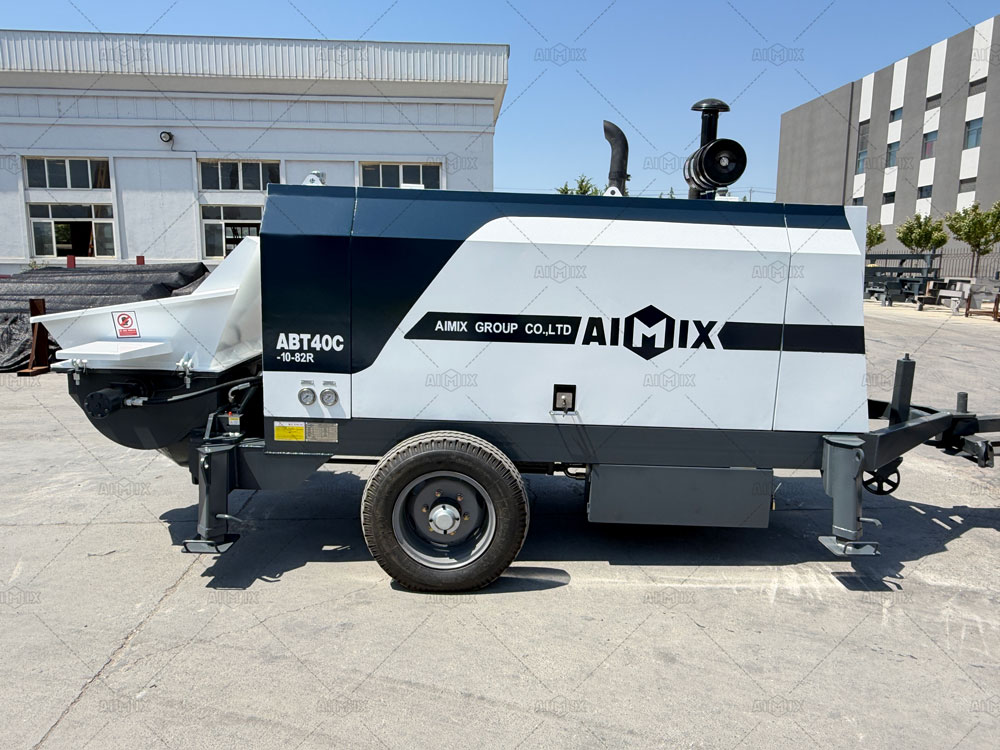
A mini concrete pump for sale in Nigeria can be advantageous where access is constrained. Its compact configuration allows concrete to be transferred through pipelines toward locations that would otherwise be difficult for larger placement equipment to reach. This is particularly relevant for small drainage channels, culvert walls, residential-area drains, and localized repair works.
Long Placement Distances and Changing Work Locations
Drainage construction is inherently linear. Once one section has been completed, crews move to another section, often with different ground conditions and access arrangements. Repeatedly repositioning equipment can consume valuable working time.
The placement system must therefore accommodate changing distances without creating excessive interruption. Pipeline arrangements, pumping pressure, concrete workability, and equipment mobility become interconnected considerations rather than isolated technical details.
Rainfall, Soft Ground, and Difficult Terrain
Nigeria’s varied climatic conditions can complicate drainage construction, especially during periods of heavy rainfall. Excavated areas may become muddy, access roads can deteriorate, and freshly prepared sections may be exposed to water before concrete placement.
Soft ground also affects machinery mobility. Heavy equipment may have difficulty reaching the pouring point, particularly where temporary access roads have not been properly stabilized. Contractors must consider not only the theoretical pumping capacity of equipment but also whether it can operate reliably under actual site conditions.
How Concrete Production and Pumping Equipment Affect Placement Efficiency
Concrete placement problems are often rooted in the relationship between concrete production and delivery. A pump cannot compensate for inconsistent concrete, while a high-capacity mixer becomes inefficient if the placement system cannot keep pace. The production and placement chain should therefore be considered as one operational system.
Maintaining a Continuous Concrete Supply
Drainage structures benefit from continuous placement because interruptions can create undesirable construction joints or cold-joint risks. This is especially important for channel bases, culvert components, and reinforced concrete sections where uniformity matters.
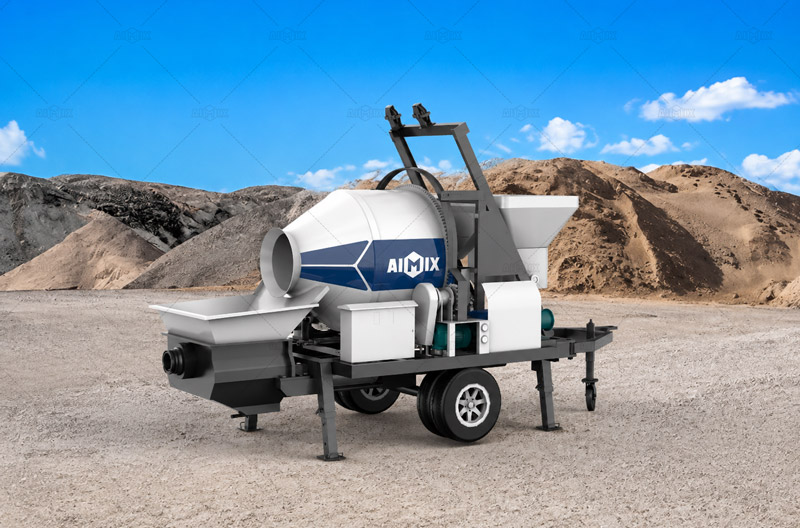
A concrete mixture pump in Nigeria combines concrete mixing and pumping functions within one machine. This configuration can reduce dependence on separate mixing and pumping equipment for smaller projects. It is particularly useful where ready-mixed concrete delivery is unreliable, unavailable, or uneconomical.
Matching Pump Capacity to Drainage Structure Size
Equipment selection should correspond to the actual volume and geometry of the drainage works. Oversized machinery may increase mobilization requirements and operating costs without providing a meaningful productivity advantage. Undersized equipment, by contrast, can create prolonged placement cycles.
For small-volume drainage works, a compact pumping system may provide sufficient output while remaining easier to maneuver. Larger culverts, deep drainage structures, and extensive reinforced concrete works may justify higher-capacity equipment capable of maintaining a steadier supply.
Pipeline Layout and Placement Accuracy
Concrete pumping is not simply a matter of moving material from point A to point B. Pipeline length, bends, vertical elevation, concrete consistency, and pressure losses all influence actual performance.
A well-planned pipeline can allow concrete to reach excavated trenches and formwork without repeatedly moving heavy machinery. This improves placement accuracy and reduces unnecessary manual transportation. However, pipelines must be properly supported and cleaned because blockages can cause abrupt interruptions and costly downtime.
Choosing Equipment for Different Nigerian Drainage Applications
The most appropriate placement solution depends on project scale, access conditions, concrete volume, and required mobility. A single machine configuration is unlikely to be optimal for every drainage project.
Small Urban Drains and Localized Concrete Works
Small urban drainage projects often have limited working space and modest concrete volumes. Houses, utility poles, roads, and pedestrians may surround the construction area, making large equipment impractical.
In such circumstances, a mini concrete pump for sale can provide a more precise placement method. Concrete can be delivered through a hose or pipeline directly into narrow channels, reducing the amount of manual movement required around the excavation.
Culverts, Box Drains, and Reinforced Structures
Culverts and box drains require more controlled placement because reinforcement, formwork, and confined geometries can make concrete distribution difficult. Poor placement may leave voids around reinforcement or create honeycombing.
A concrete pump machine in Nigeria can help deliver concrete into formwork at a controlled rate. The objective is not simply maximum pumping speed. Consistent placement, suitable slump, proper vibration, and coordination between the pump operator and site crew are equally important.
Large Roadside and Highway Drainage Projects
Extensive highway drainage projects can involve substantial concrete quantities and longer placement distances. Multiple work fronts may operate simultaneously, increasing the importance of equipment productivity and mobility.
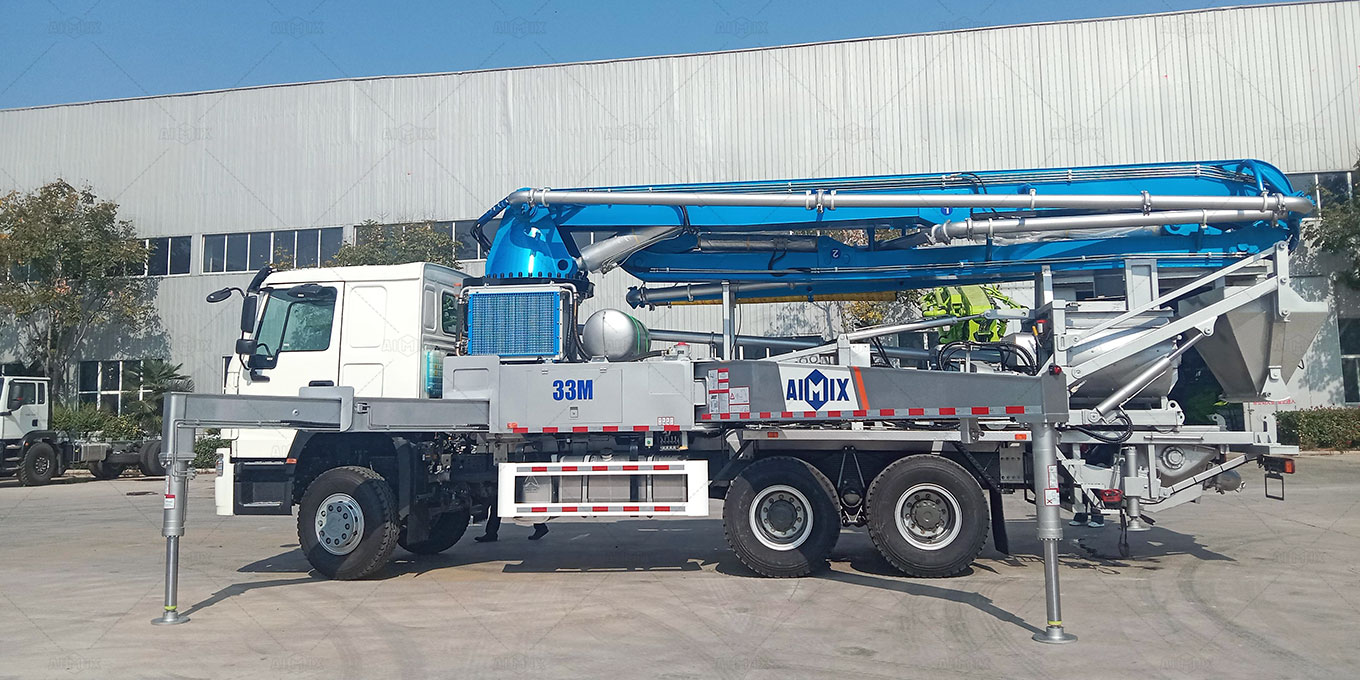
For larger structures, contractors may consider a boom pump for sale in Nigeria when its reach and maneuverability provide a clear operational advantage. Boom placement can reduce the need for extensive manual hose handling and can be useful where concrete must be distributed across relatively large or elevated structures.
Practical Strategies for Improving Concrete Placement
Better equipment alone does not guarantee better results. Concrete placement should be organized around a coherent sequence that considers material production, transport, pumping, finishing, and curing.
Plan Access Before Concrete Delivery
Before pouring begins, the access route should be inspected for width, ground bearing capacity, turning space, overhead obstructions, and proximity to the excavation. Equipment should be positioned where it can serve the maximum practical section without frequent relocation.
Coordinate Concrete Supply With Pumping
Concrete production and pumping should operate according to a synchronized schedule. If concrete arrives faster than it can be placed, workability may decline while waiting. If pumping capacity exceeds concrete production, the equipment remains underutilized.
The most effective arrangement is therefore one in which concrete output, delivery intervals, pumping capacity, and finishing operations remain reasonably balanced.
Prepare for Weather and Site Disruptions
Rainfall should be treated as an operational variable rather than an afterthought. Drainage excavations should be protected from excessive water accumulation, access routes should be maintained where possible, and freshly placed concrete should receive appropriate protection.
Contingency planning is particularly valuable on projects where concrete placement cannot easily be postponed without affecting the construction sequence.
Conclusion
Concrete placement in Nigerian drainage construction is shaped by access restrictions, linear project layouts, difficult ground conditions, weather, pumping distance, and the need for consistent concrete supply. The most suitable solution depends on the scale and geometry of the drainage works rather than on concrete pump sales equipment capacity alone.
Compact pumps can simplify placement in confined urban areas, integrated mixing and pumping systems can support smaller projects with limited infrastructure, while higher-capacity pumping and boom systems can improve productivity on larger drainage structures. When equipment selection is combined with careful pipeline planning, coordinated concrete production, and site-specific logistics, contractors can reduce placement delays and achieve more consistent drainage construction quality.