Stationary concrete batching plants remain the mainstream choice for stable, high-output concrete production. If you run a ready-mix concrete factory or undertake large-scale infrastructure such as expressways, airports, ports and precast component yards, selecting the right model directly affects your long-term production efficiency, profit margin and product quality. Unlike portable units, stationary ready mix batching lines are designed for long-term operation at a fixed location, with heavier frames, larger storage capacity and higher continuous working reliability. Many new investors struggle to balance hourly output, automation grade, land investment and budget before signing the order.
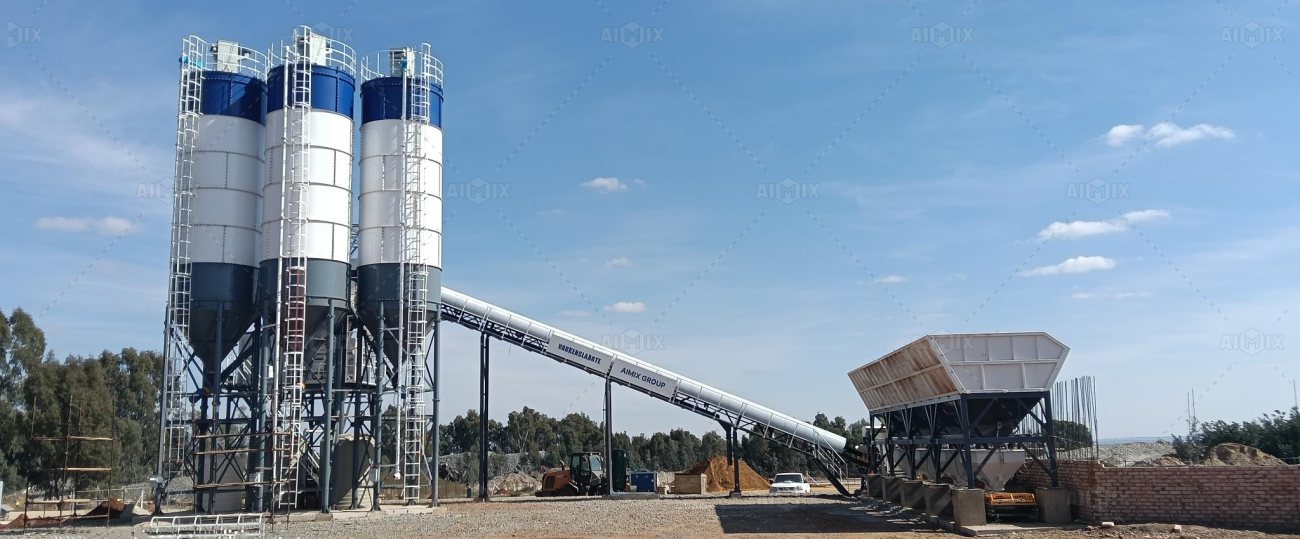
Medium Ready Mix Plant: Balanced Capacity for Stable Orders
For most newly built medium-sized ready mix stations with daily moderate concrete demand and stable local construction contracts, AJ-120 concrete batching plant is one of the most popular configurations. It features a reliable twin-shaft mixer, fully automatic batching and weighing system, and convenient daily maintenance design. Its theoretical output reaches 120m³ per hour, which can satisfy multiple delivery trucks loading at the same time. This model works well for cities with steady residential, commercial and municipal construction needs, without over-investing in excess capacity that sits idle on slow seasons.
High-Capacity Model for Large Infrastructure Contracts
When the project requires massive concrete supply within tight schedules, contractors tend to pick higher-spec stationary models. AJ-180 stationary concrete batching plant can support heavy-duty continuous production, widely used in national key construction projects, long-distance highway sections and large precast factories. It usually comes with double mixing units, larger aggregate bins and upgraded dust collection devices. For these big projects, downtime is extremely costly, so the robust structure and mature control logic become core evaluation indicators besides pure output data.
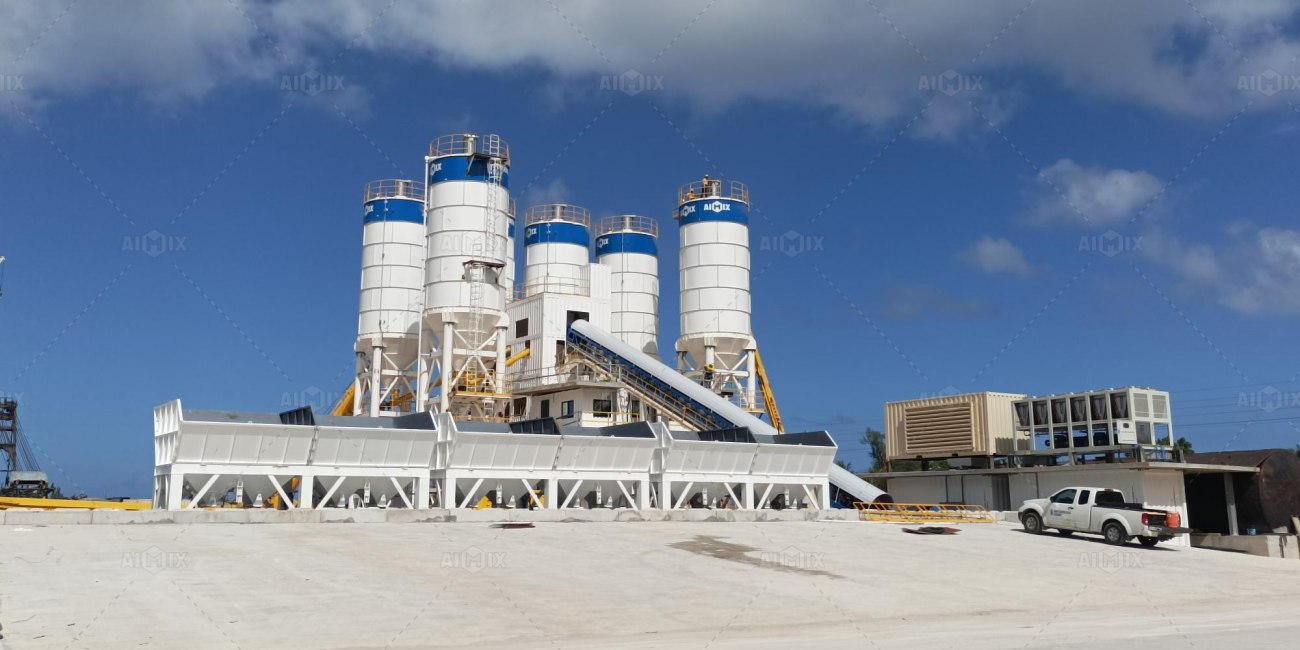
Necessary Auxiliary Equipment: Cement Silo for Powder Storage
A complete stationary batching system cannot work well without proper powder storage. The 100 ton vertical cement silo stores cement, fly ash and mineral powder, avoiding frequent bulk material delivery and stabilizing batching accuracy. Many buyers underestimate silo matching at the beginning; insufficient silo volume will cause frequent waiting for material delivery and break continuous production. Vertical cement silos also include dust filters, safety valves and level indicators for safer and cleaner operation.
Alternative Option: Mobile Plant for Frequent Site Relocation
If your construction sites change frequently and you cannot build permanent foundations, a stationary plant may not fit your workflow. In this case, you can consider AJY-60 mobile concrete batching plant as a flexible backup or independent production unit. It cannot match the peak capacity of large stationary lines, but it saves civil engineering cost and relocation time, which is valuable for road renovation, pipeline engineering and temporary construction camps.
Final Tips Before Purchase
Before confirming your order, evaluate local land conditions, power supply capacity, concrete consumption curve and future expansion plan. AIMIX engineers can customize layout and configuration according to your site drawings, help you arrange aggregate yards, silo positions and truck access routes reasonably, and provide operation training and global aftersales support.