In bridge construction projects across Kalimantan, contractors often face a practical question: can a 50 m³/h concrete batching plant reliably meet a 300 m³/day requirement? At first glance, the numbers look compatible. However, real construction conditions are never that simple. Site logistics, weather, and working hours all influence actual output. Therefore, a deeper analysis is necessary before making an investment decision.
Understanding Real Demand in Kalimantan Bridge Projects
A 300 m³/day requirement is common for medium bridge construction in Indonesia. However, contractors rarely pour concrete in a perfectly stable schedule. Instead, demand usually comes in peaks, especially during foundation and deck slab works. As a result, production stability becomes more important than theoretical daily capacity.
In addition, remote locations in Kalimantan often reduce effective working hours. Transportation delays and rainfall can directly affect productivity. Therefore, planning must always consider real working efficiency instead of only nominal plant capacity.
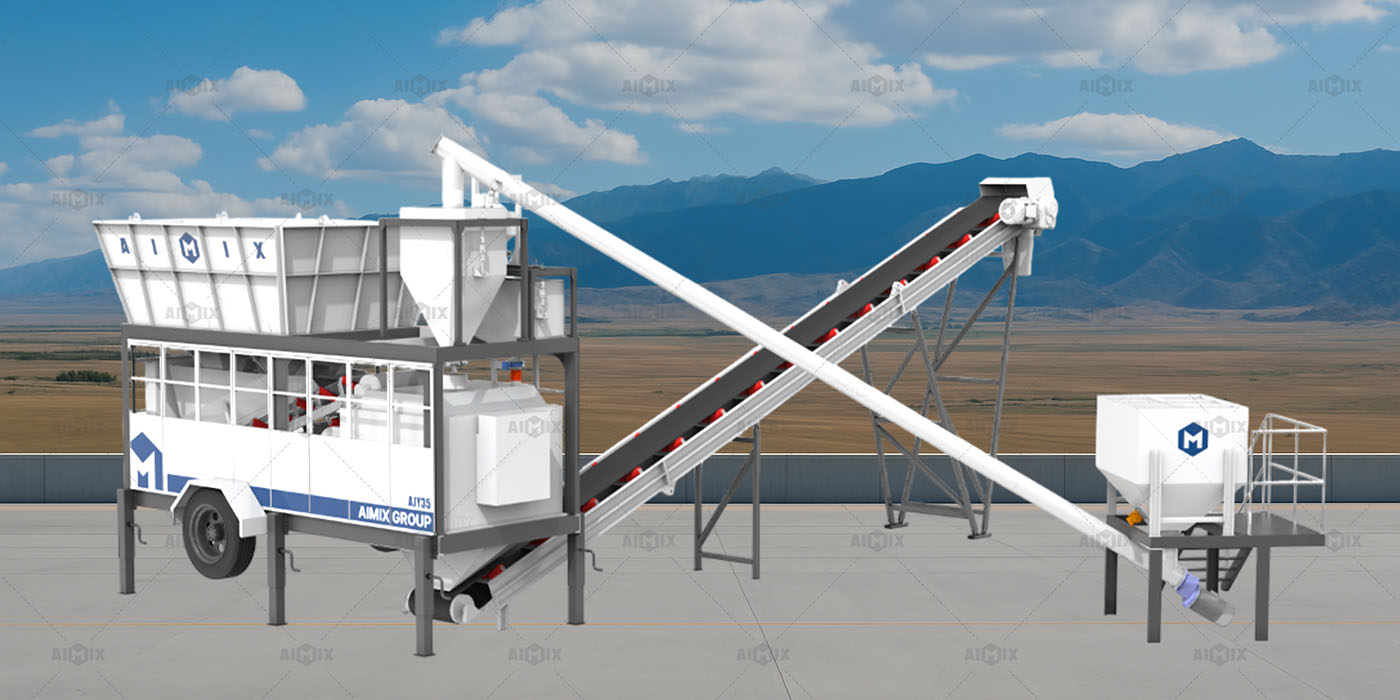
Why Capacity Alone Cannot Guarantee Success
Even if a plant matches the daily target on paper, real performance depends on coordination. Truck mixer availability, material supply, and site readiness all affect output. Consequently, contractors must look at the entire production system, not just the batching plant itself.
For example, if a bridge pour requires continuous 100–150 m³ concrete placement, any interruption can cause structural risk. Therefore, system reliability matters more than isolated capacity figures.
Is a 50 m³/h Plant Enough for 300 m³/day?
A 50 m³/h concrete batching plant can theoretically produce 300 m³ within 6 working hours. On paper, this matches the requirement exactly. However, real-world efficiency is usually between 70% and 85%, depending on site conditions.
This is where optimization becomes essential. With proper scheduling and logistics, the same plant can still achieve daily targets consistently.
For contractors searching for reliable options like batching plant terdekat, it is important to evaluate not only proximity but also system efficiency and support services.
Operational Reality in Bridge Construction
In practice, continuous 6-hour production is difficult. Equipment checks, truck rotation, and material loading create unavoidable pauses. Therefore, many contractors extend working hours or adjust pouring schedules.
When properly managed, a 50 m³/h plant can still meet 300 m³/day requirements without overloading the system.
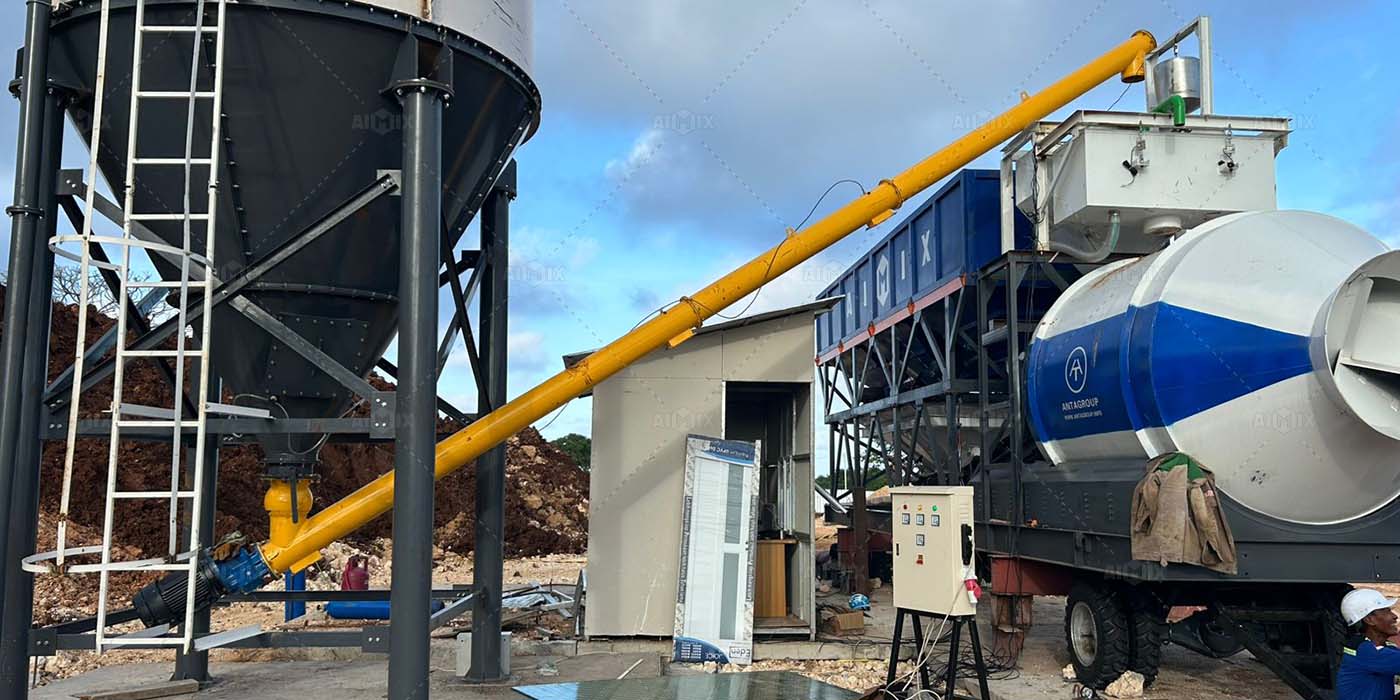
Choosing the Right Plant Type for Project Scale
Different project sizes require different batching plant configurations. Small-scale projects or early-stage site work may not require full 50 m³/h capacity. Instead, flexible solutions are often more cost-effective.
For example, many contractors first evaluate small concrete batch plants for temporary works or secondary structures before scaling up to full production systems.
Matching Capacity with Construction Phases
Bridge construction usually develops in phases. Foundation works may require steady but moderate output, while deck construction requires peak capacity. Therefore, plant selection should match these changing demands instead of using a fixed approach.
This flexible planning helps reduce idle equipment time and improves cost efficiency across the project timeline.
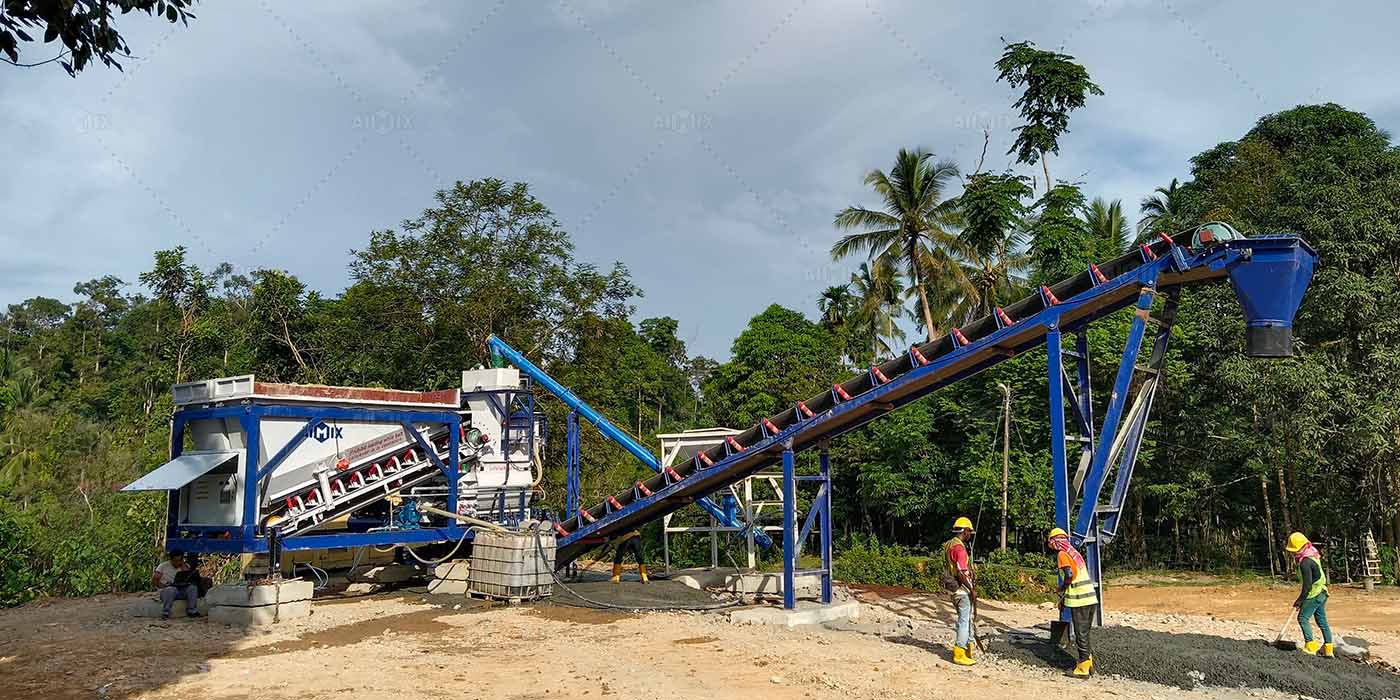
How Mini and Flexible Plants Support Remote Projects
In remote areas like Kalimantan, mobility and setup speed also matter. Contractors often need faster installation and easier relocation options, especially for multi-site projects.
In such cases, solutions like mini batching plant indonesia become highly practical. These systems support smaller but stable production needs, especially in early-stage infrastructure works.
Why Flexibility Matters More in Remote Areas
Because transport distances are long and infrastructure is limited, smaller and flexible plants reduce risk. Even if output is lower, operational continuity improves significantly.
As a result, contractors often combine different plant sizes to balance mobility and production capacity.
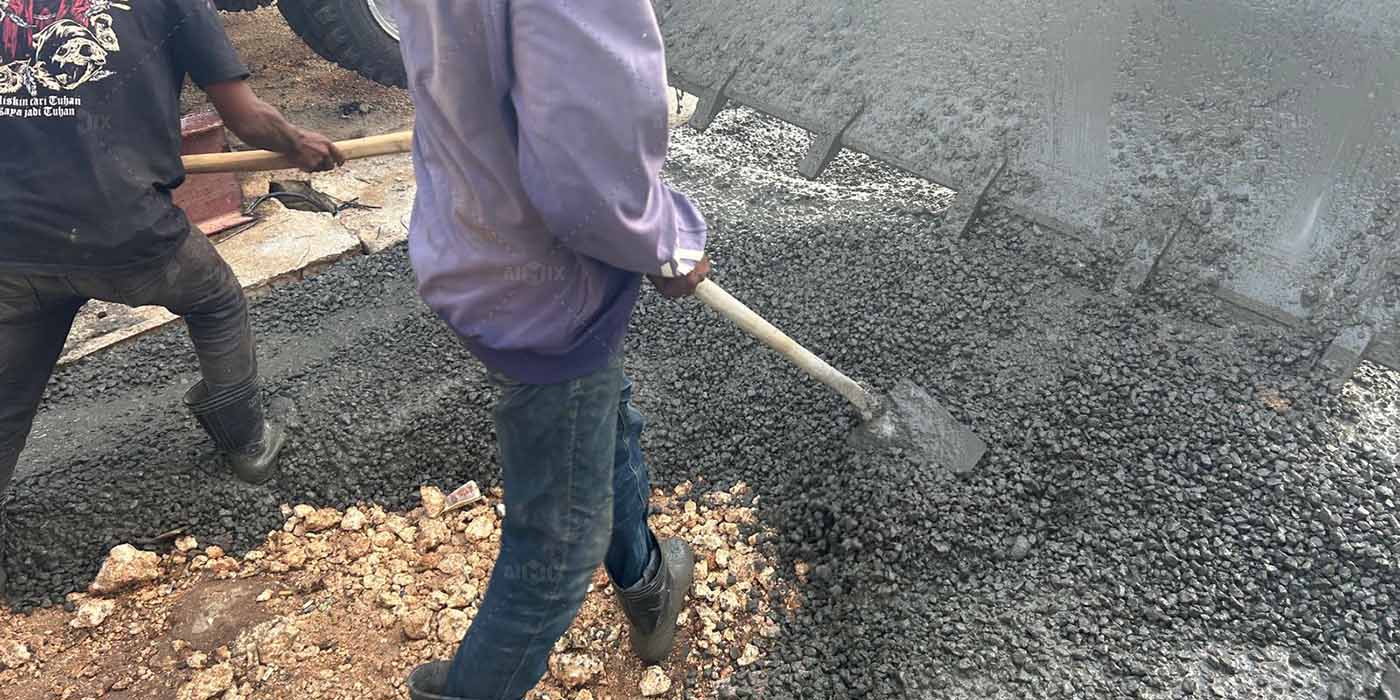
Integrating Ready Mix Supply for Stable Output
In some bridge projects, contractors also combine onsite batching with external ready-mix supply. This hybrid approach helps maintain stable pouring schedules during peak demand.
For large-scale or time-sensitive works, options like concrete ready mix plant for sale provide additional production support and reduce pressure on a single system.
Hybrid Supply Strategy for Large Projects
This strategy ensures that even if onsite production slows down, concrete supply continues. Therefore, project timelines remain stable even under unpredictable conditions.
It is especially useful for bridge deck pours where continuous supply is critical.
Conclusion: Is a 50 m³/h Plant a Good Fit?
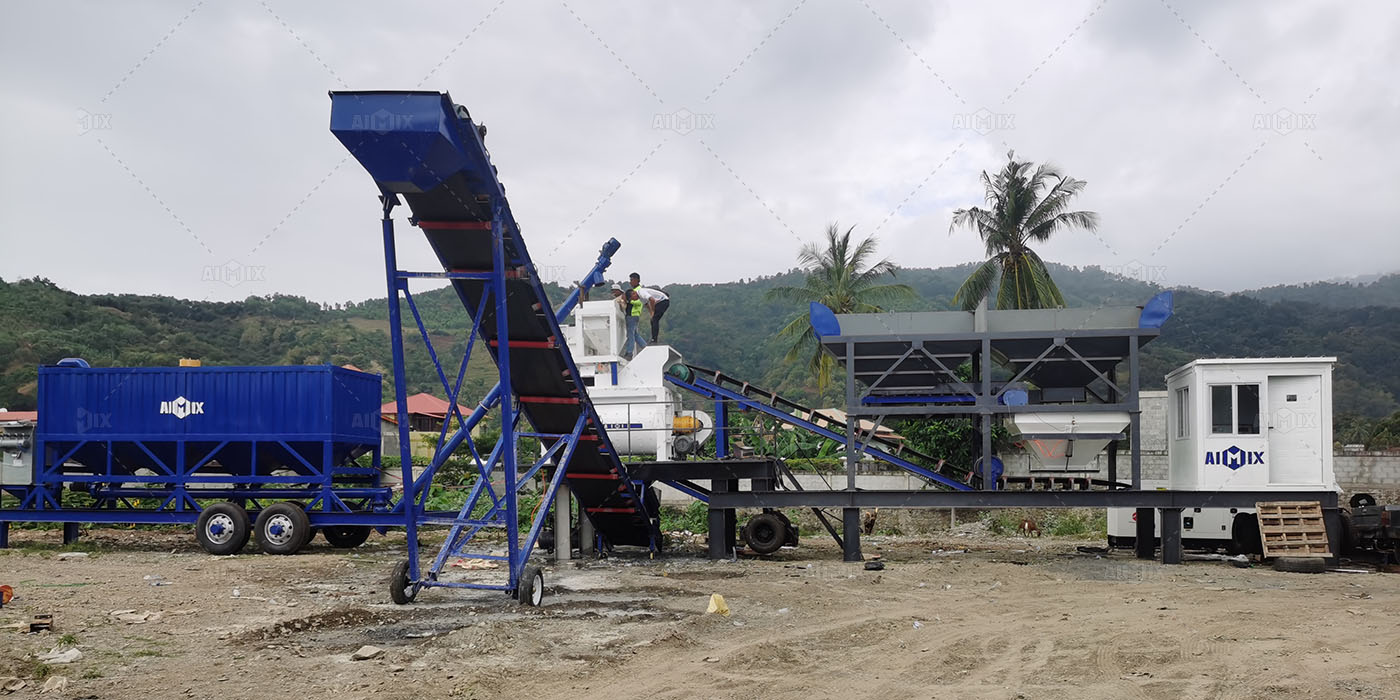
A 50 m³/h concrete batching plant is generally suitable for a 300 m³/day bridge project in Kalimantan, but success depends on execution. When contractors manage logistics well, extend working hours, and coordinate supply chains, the system performs reliably.
However, the key is not only choosing the right plant but also building an efficient construction ecosystem. With the right planning, even medium-capacity plants can deliver high-performance results in challenging environments.
If you are planning a bridge project in Kalimantan and want a reliable batching solution, selecting the right combination of plant type, capacity, and logistics strategy is the key to success. A well-planned system will always outperform a standalone machine.