Buying an asphalt plant is not just a purchase decision. It is a long-term investment that directly affects your project cost, construction efficiency, and overall profitability. Many contractors focus only on price at the beginning. However, experienced contractors look deeper. They evaluate production needs, site conditions, and long-term operating costs before making a decision.
So, what should you really check before buying an asphalt plant? In this guide, we break down the key factors from a contractor’s perspective. More importantly, we focus on what truly impacts your daily operations and project success.
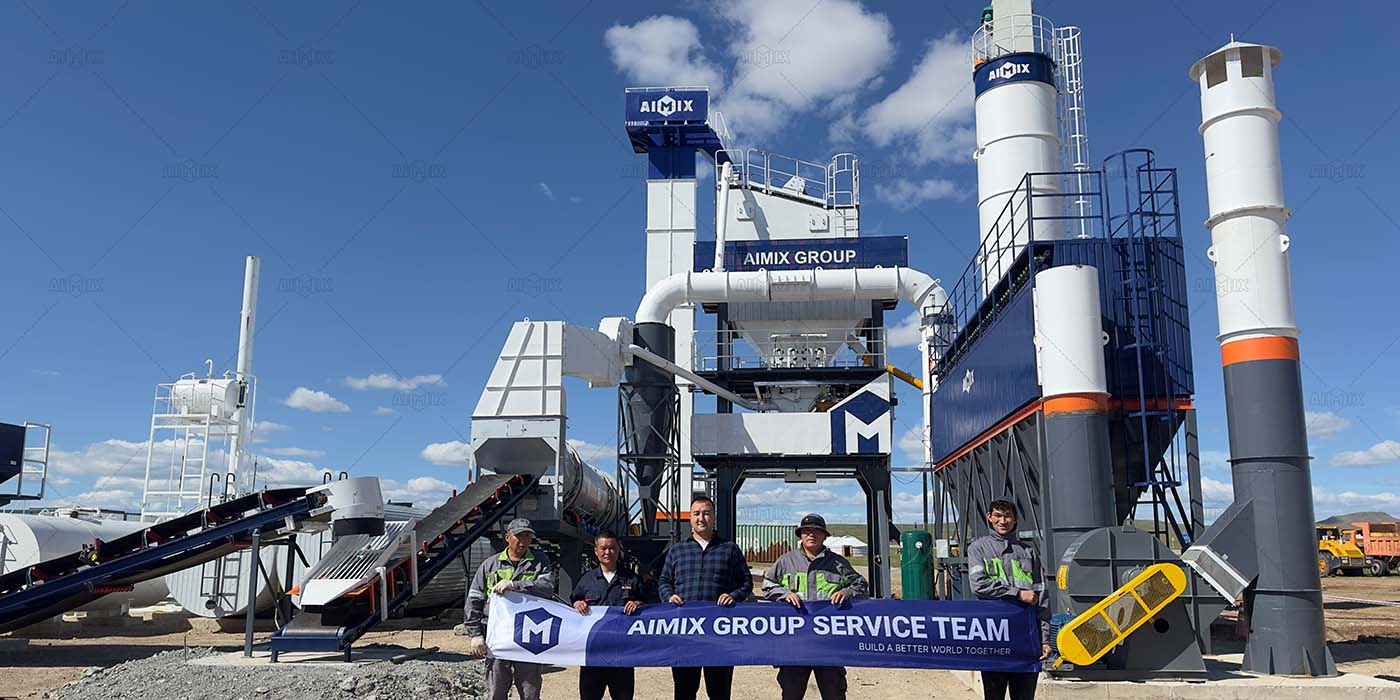
Understand Your Project Requirements First
Before comparing different asphalt plants, you need to clearly define your project needs. This step sets the foundation for all your decisions. Without it, you may either over-invest or face capacity shortages later.
Project Scale And Timeline
Start by asking: how large is your project? A highway project requires continuous high output. In contrast, municipal road repairs need flexibility more than capacity. Therefore, you must match plant capacity with your actual workload.
For example, if your project requires 800 tons per day, choosing a 120 TPH plant may seem enough. However, downtime, weather, and maintenance can reduce real output. So, always plan with a buffer.
Mix Type And Quality Requirements
Different projects require different asphalt mixtures. Highways often demand high-quality hot plant asphalt with strict temperature control. On the other hand, rural roads may accept simpler mixes.
Therefore, check whether the plant supports multiple mix designs. Also, ensure it provides accurate control systems for consistent quality.
Once you understand your project needs, you can move forward with more technical evaluations.
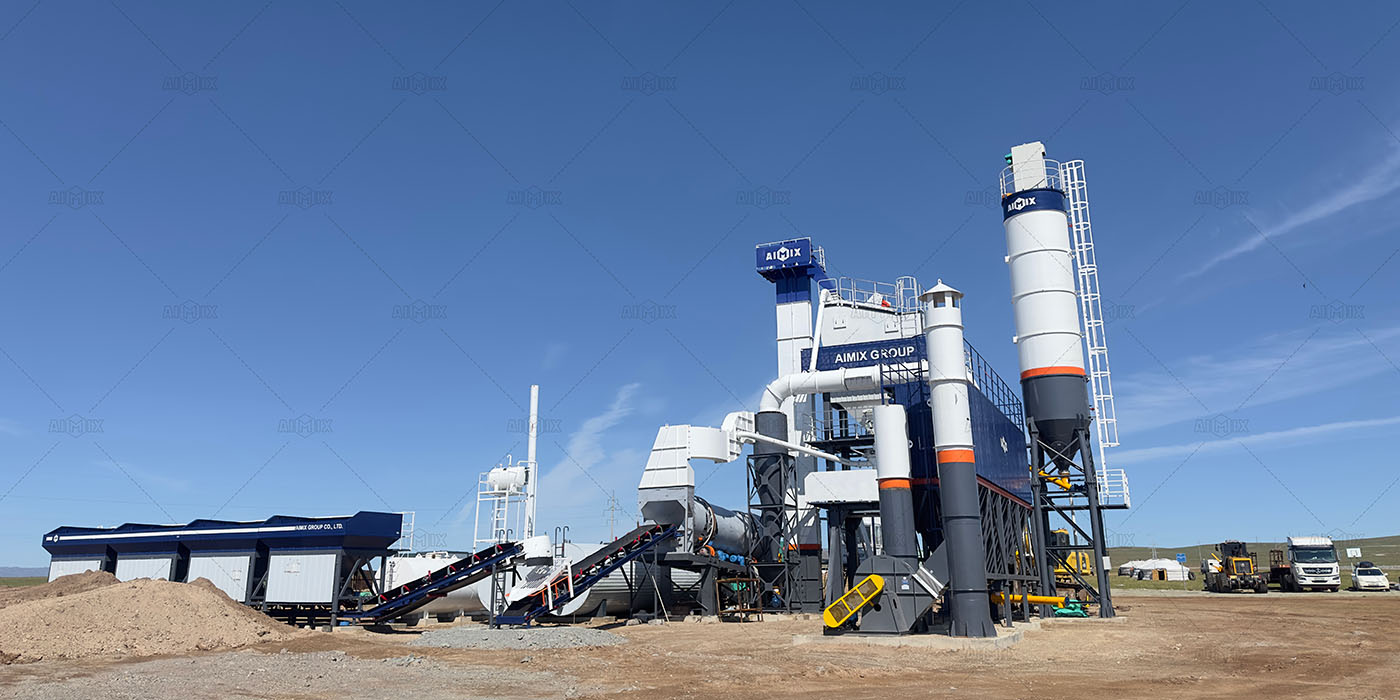
Evaluate Plant Type: Batch Vs Drum Mix
After defining your requirements, the next step is selecting the right type of asphalt plant. This decision affects both your production flexibility and operating cost.
Batch Asphalt Plant
Batch plants allow you to produce different mix types in separate batches. This feature is ideal for projects that require frequent mix changes. Additionally, batch plants offer high precision and better quality control.
However, they usually come with higher initial investment and slightly lower production continuity.
Drum Mix Asphalt Plant
Drum mix plants operate continuously. They are suitable for large-scale projects with consistent mix requirements. They are also simpler to operate and often more cost-effective.
If you are considering continuous production, you may explore options like an asphalt drum mix plant for sale to better match high-output project needs.
However, they offer less flexibility in changing mix designs.
In short, if your projects vary frequently, choose a batch plant. If you focus on large-volume production, a drum mix plant may suit you better.
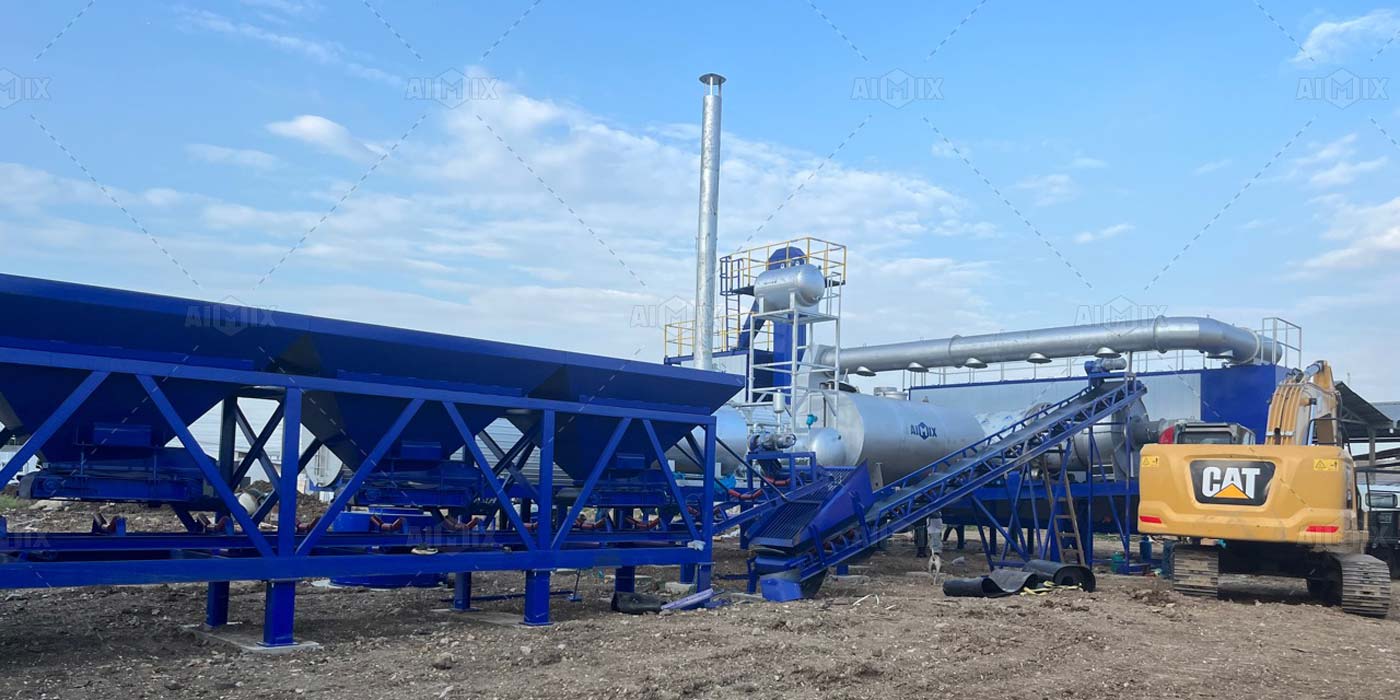
Check Production Capacity And Efficiency
Once you select the plant type, capacity becomes the next critical factor. But capacity is not just about numbers on paper. Real performance matters more.
Rated Capacity Vs Actual Output
Manufacturers often provide theoretical capacity. However, actual output depends on many factors such as moisture content, operator skill, and maintenance condition.
Therefore, ask for real project data. Request case studies or production records. This helps you understand what the plant can truly deliver.
Fuel Consumption And Energy Efficiency
Fuel cost is one of the largest operating expenses. A plant with poor efficiency can increase your costs significantly over time.
So, check the burner system, insulation design, and drying efficiency. Even a small improvement in fuel efficiency can save thousands over a project.
With capacity and efficiency in mind, you can now focus on equipment reliability.
Assess Equipment Quality And Durability
An asphalt plant operates under harsh conditions. High temperatures, heavy loads, and continuous operation all put stress on components. Therefore, durability is essential.
Core Components Quality
Focus on key parts such as the drying drum, burner, mixing system, and dust collector. High-quality materials and precise manufacturing ensure longer service life.
For example, a well-designed drying drum improves heat transfer and reduces fuel consumption. At the same time, it minimizes wear and tear.
Wear Parts And Maintenance Cycle
Wear parts like liners, paddles, and filters need regular replacement. Therefore, check their lifespan and replacement cost.
If spare parts are expensive or hard to find, your downtime may increase. This directly affects your project schedule.
Now that durability is covered, it is important to look at automation and control systems.
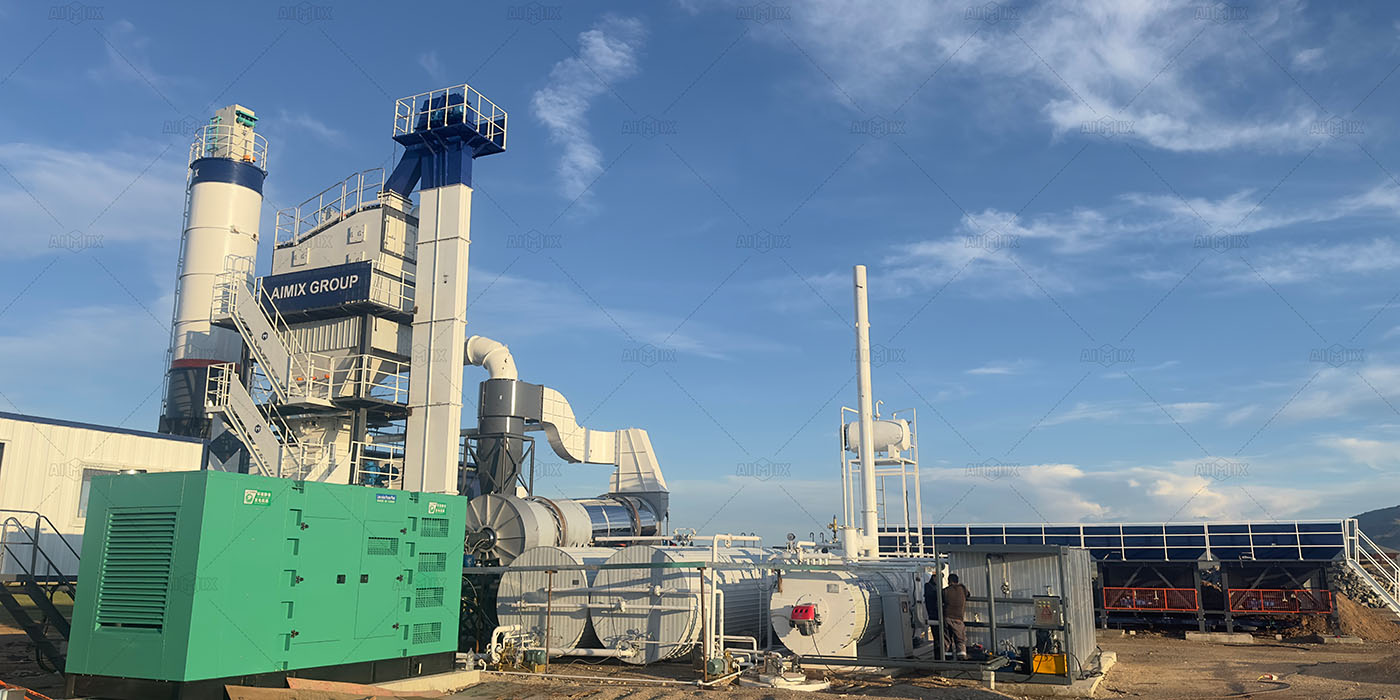
Analyze Control System And Automation Level
Modern asphalt plants rely heavily on automation. A good control system improves efficiency, reduces human error, and ensures consistent quality.
User-Friendly Interface
Operators should easily understand and control the system. A complex interface can lead to mistakes and delays.
Therefore, choose a system with clear displays, simple controls, and real-time monitoring.
Data Recording And Remote Monitoring
Advanced systems allow you to track production data and monitor performance remotely. This helps you optimize operations and identify issues early.
For contractors managing multiple projects, this feature becomes extremely valuable.
With automation in place, the next step is to consider environmental compliance.
Ensure Environmental And Regulatory Compliance
Environmental regulations are becoming stricter worldwide. Ignoring them can lead to fines or project delays.
Dust Collection System
A high-quality dust collector reduces emissions and improves air quality. It also recovers fine materials, which can be reused in production.
This not only protects the environment but also reduces material waste.
Noise And Emission Standards
Check whether the plant meets local environmental standards. This is especially important for urban or sensitive areas.
By ensuring compliance early, you avoid legal risks later.
After environmental factors, logistics and installation should also be carefully evaluated.
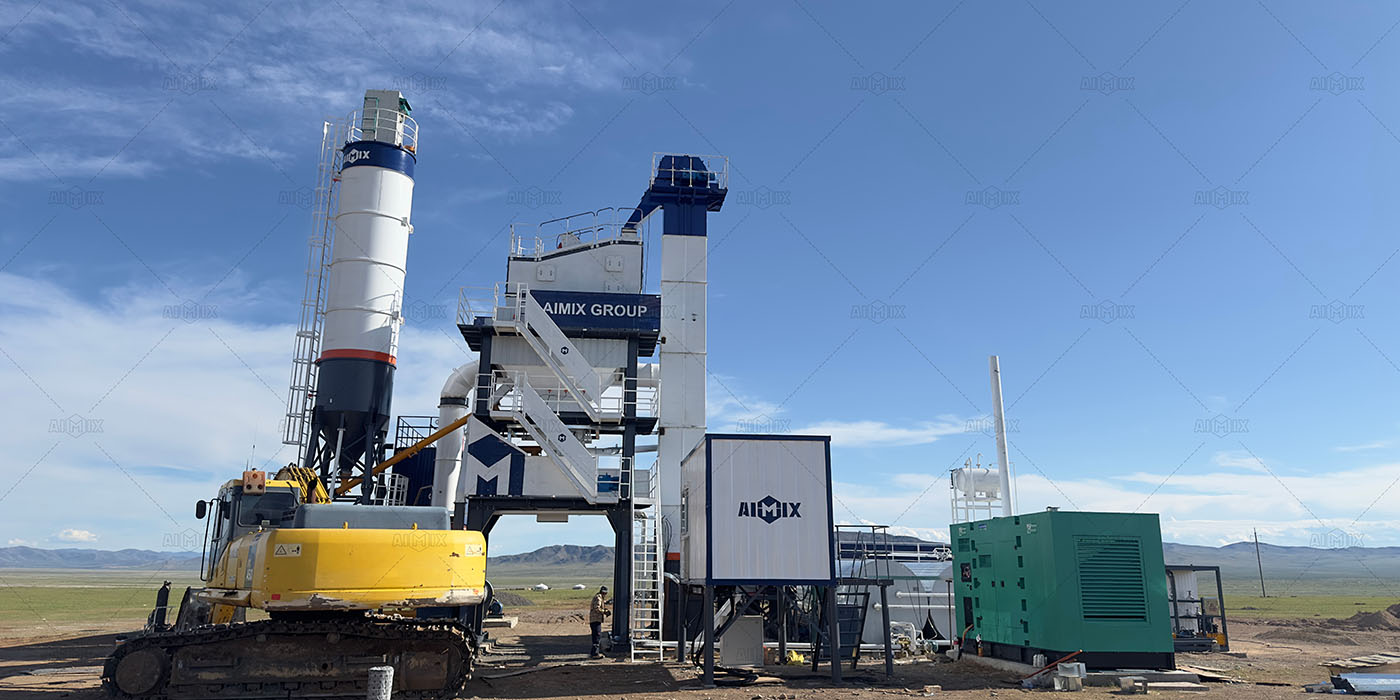
Consider Installation, Mobility, And Site Conditions
The best plant is not always the biggest one. It must fit your site conditions and project logistics.
Site Layout And Space Requirements
Before purchase, analyze your site. Check available space, access roads, and foundation requirements.
A poorly planned layout can increase installation time and operational inefficiency.
Mobile Vs Stationary Plant
If you work on multiple short-term projects, a mobile plant offers flexibility. It allows quick relocation and faster setup.
However, for long-term projects, a stationary plant may provide better stability and higher capacity.
Many contractors also compare different asphalt premix plant options to match site flexibility and production goals.
Once logistics are clear, the final and often overlooked factor is supplier support.
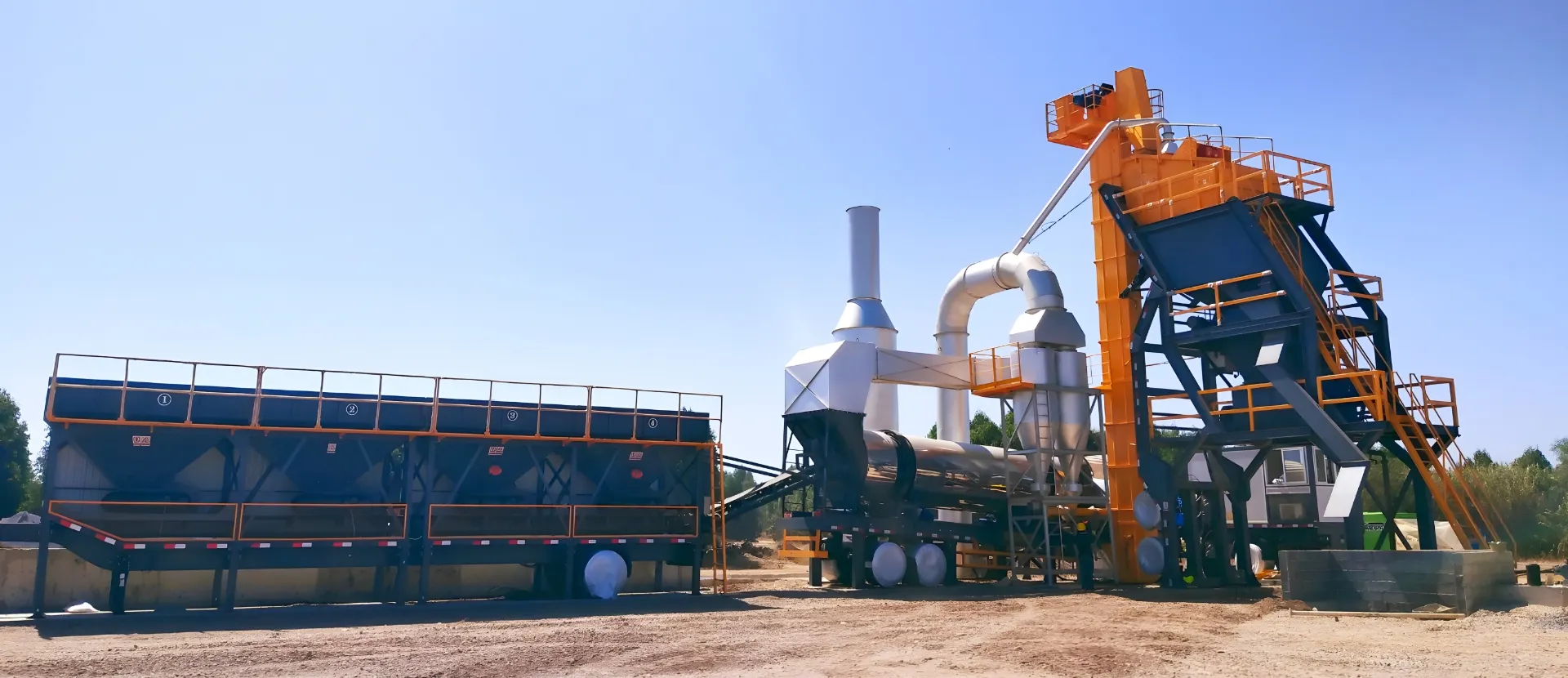
Evaluate Supplier Strength And After-Sales Support
Even the best equipment needs support. Therefore, choosing the right supplier is as important as choosing the plant itself.
Technical Support And Training
A reliable supplier provides training for your operators. This ensures smooth operation from day one.
Additionally, strong technical support helps solve problems quickly.
Spare Parts Availability
Check whether spare parts are readily available in your region. Delays in parts supply can stop your entire project.
Therefore, it is wise to work with a trusted asphalt mix plant supplier that offers reliable service and quick response.
With all these factors considered, you are now ready to make a confident decision.
Final Thoughts: Make A Smart Investment For Long-Term Success
Buying an asphalt plant is not just about equipment. It is about building a reliable production system that supports your projects for years. Therefore, take time to evaluate your needs, compare options, and verify real performance.
In conclusion, contractors who plan carefully often achieve better results. They control costs, maintain consistent quality, and complete projects on time.
Looking for a reliable asphalt plant tailored to your project needs? Contact a professional team today and get a customized solution that helps you win more projects and maximize your return on investment.