Bridge resurfacing projects demand precise planning, efficient machinery, and reliable materials. For a 50,000 m² bridge resurfacing project in South Africa, choosing the right asphalt manufacturing plant is crucial. Contractors must balance production capacity, quality, cost, and site conditions to ensure the project stays on schedule and within budget. This article provides practical guidance to help you select the best asphalt plant for your bridge resurfacing project, focusing on real-world considerations and contractor needs.
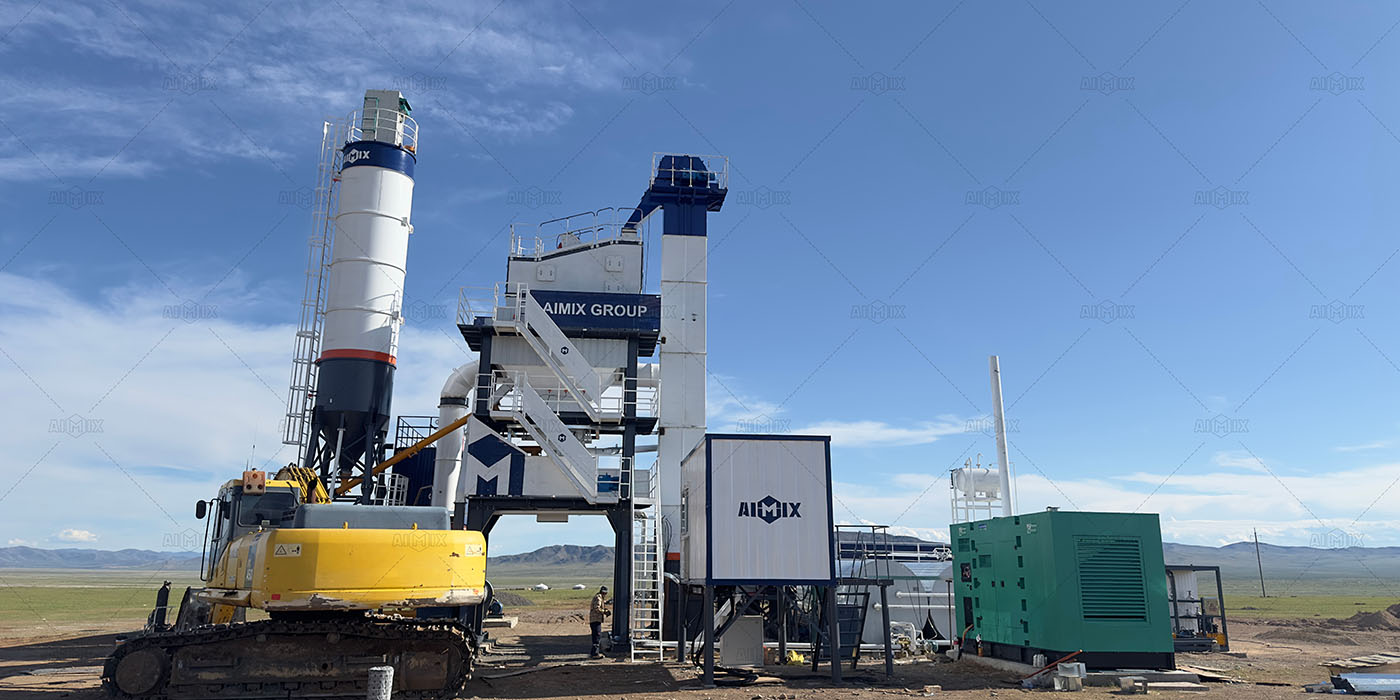
Understanding Project Requirements Before Selecting An Asphalt Plant
Before choosing an asphalt plant, contractors must understand the project requirements in detail. This includes the total resurfacing area, project duration, layer thickness, and traffic conditions. For a 50,000 m² bridge, the asphalt volume can vary depending on the surface thickness, usually ranging from 50 mm to 100 mm. Calculating the estimated asphalt volume helps determine the plant’s production capacity and type.
Additionally, contractors must consider the project timeline. Tight deadlines demand higher production rates and consistent material supply. Understanding these requirements ensures the selected asphalt plant can meet both quantity and quality standards without causing delays.
Calculating Asphalt Volume And Production Needs
To determine the required asphalt quantity, multiply the surface area by the layer thickness and the asphalt density. For example, for a 50,000 m² bridge with a 60 mm layer and asphalt density of 2.4 t/m³:
Asphalt Volume = 50,000 m² × 0.06 m × 2.4 t/m³ = 7,200 tons
Once you know the total volume, consider the project schedule. If resurfacing must be completed in 20 days, the daily production requirement is:
Daily Production = 7,200 tons ÷ 20 days = 360 tons/day
This calculation directly influences the asphalt plant capacity needed, ensuring continuous supply and minimizing downtime.
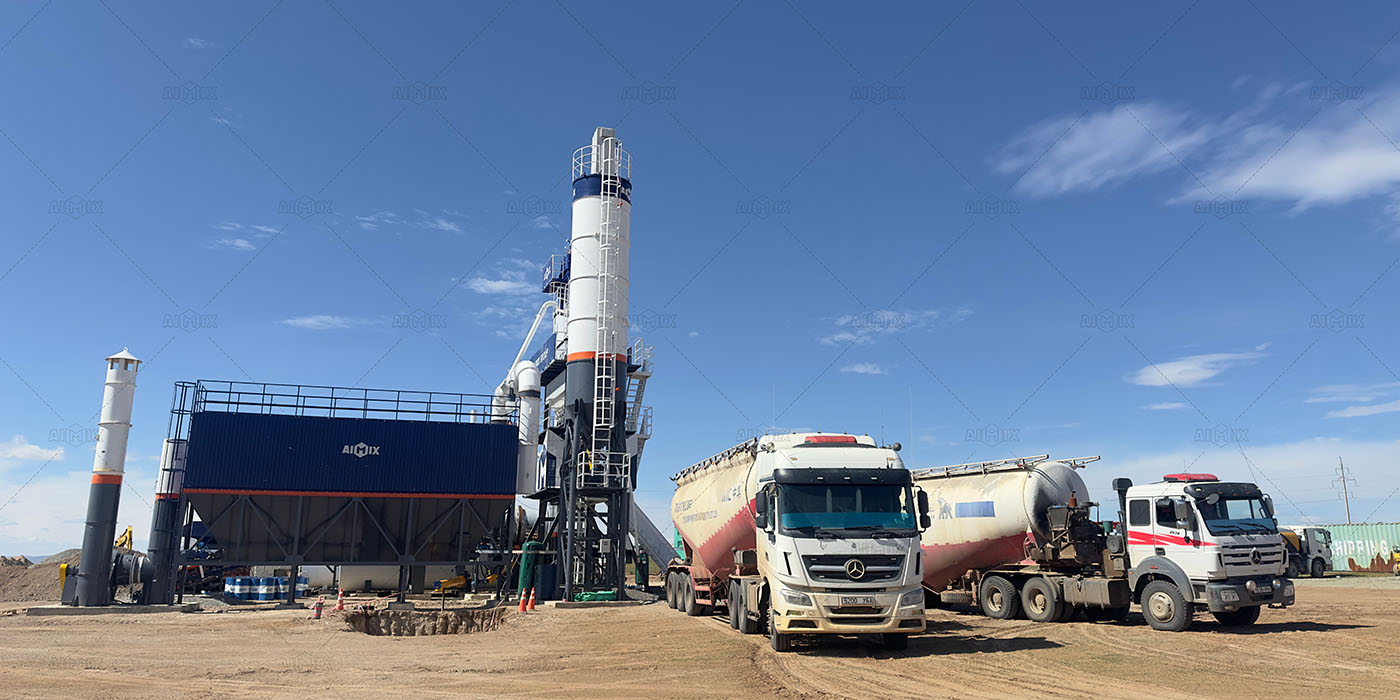
Types Of Asphalt Plants Suitable For Bridge Resurfacing
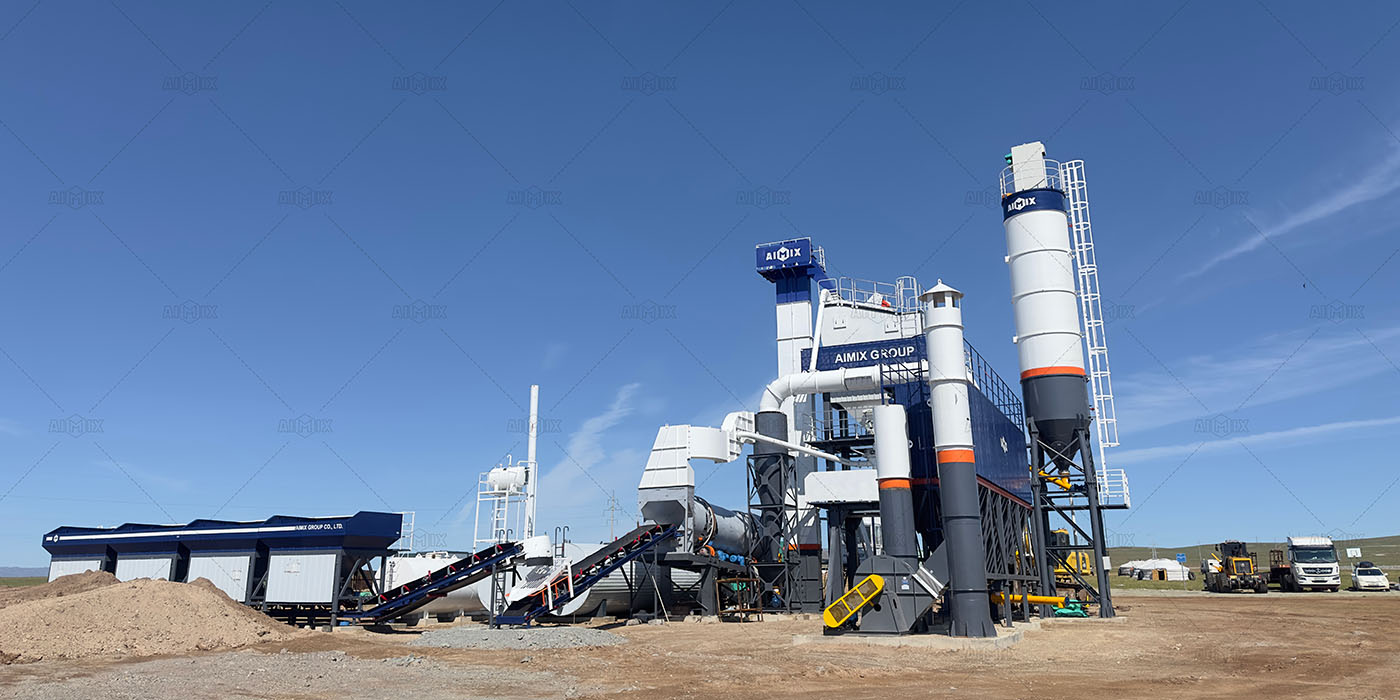
Asphalt plants come in various configurations, and choosing the right type depends on project scale, location, and operational flexibility. Contractors often compare a asphalt batch plant with a continuous drum plant to see which best fits their project demands.
Batch Asphalt Plants
Batch asphalt plants produce asphalt in separate batches, allowing precise control over mix quality. They are ideal for projects requiring different asphalt grades or small to medium-scale resurfacing. Batch plants offer the advantage of consistent material quality, which is critical for bridge surfaces exposed to heavy traffic.
Drum Asphalt Plants
Drum asphalt plants provide continuous mixing, making them suitable for large projects with high daily output requirements. They are easier to operate and maintain but may offer less flexibility in producing multiple asphalt grades simultaneously. For a 50,000 m² bridge resurfacing project, a mid-sized drum plant can meet daily production demands efficiently.
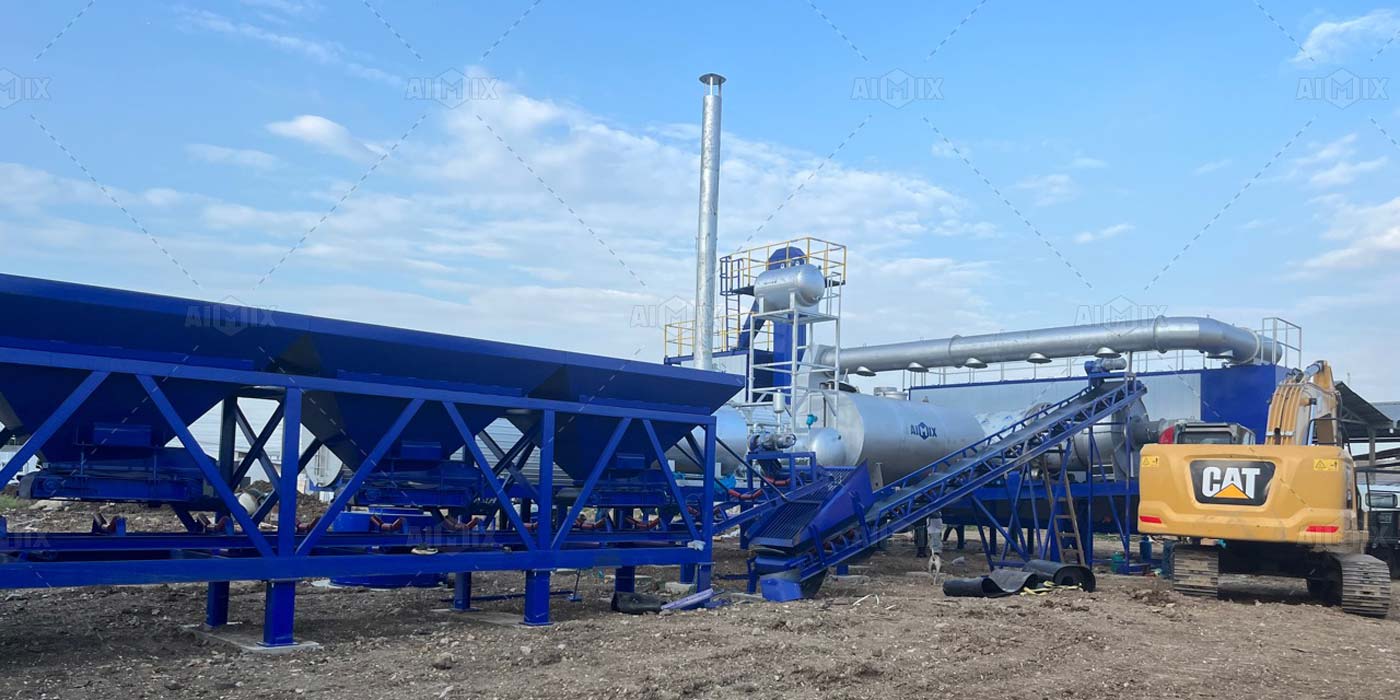
Evaluating Production Capacity And Efficiency
After identifying the plant type, focus on production capacity. Daily asphalt requirements and project duration dictate the minimum plant output. In our example, a plant must produce at least 360 tons/day. However, adding a safety margin of 20-30% ensures the project remains on schedule despite potential interruptions, such as weather delays or equipment maintenance.
Moreover, plant efficiency is critical. Efficient plants reduce fuel consumption, lower operating costs, and minimize environmental impact. Contractors in South Africa often prefer energy-efficient asphalt mixing plant manufacturers that can provide reliable equipment and after-sales support.
Assessing Site Conditions And Logistics
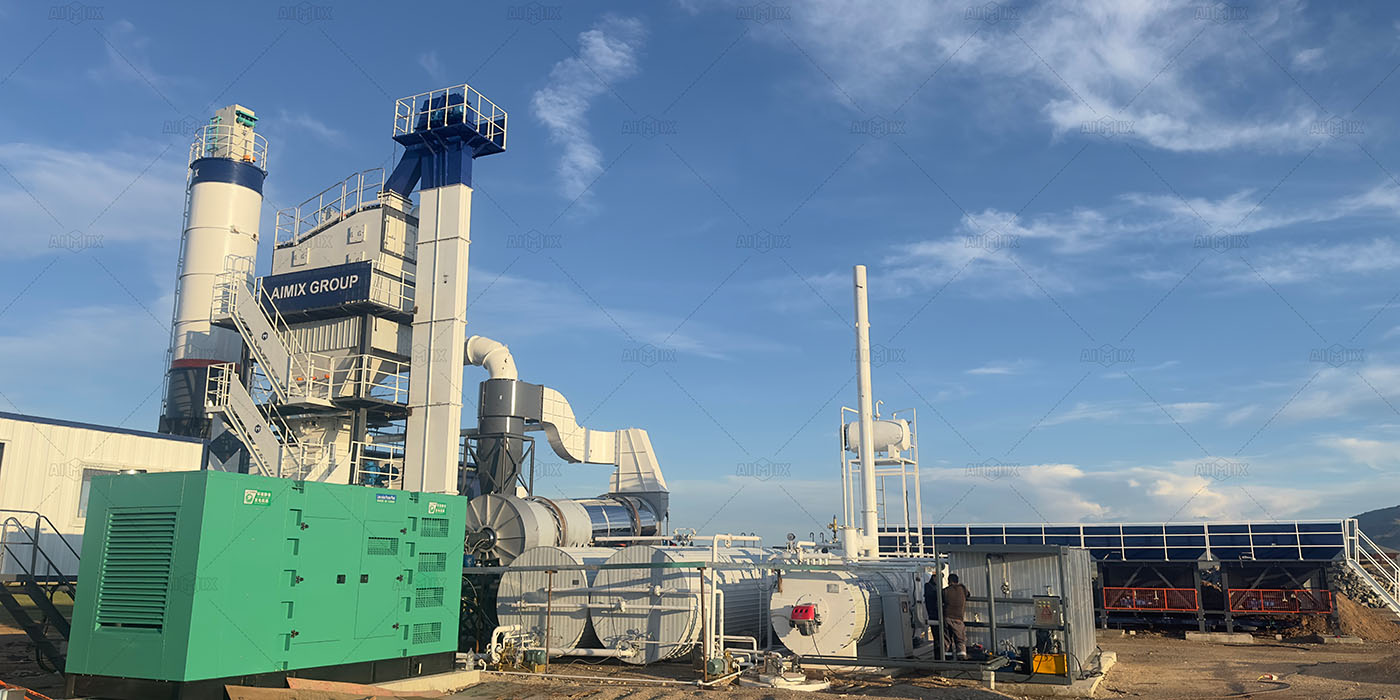
Site conditions significantly influence asphalt plant selection. Contractors must consider bridge location, access roads, and available space for installation. Mobile asphalt plants are often preferred for bridge resurfacing projects because they can be positioned near the site, reducing transport costs and asphalt cooling during transit.
Transportation And Delivery Considerations
Efficient delivery of asphalt from plant to bridge site is critical. Short transport distances reduce the risk of asphalt cooling before laying. Contractors should plan the number of trucks required and route logistics to maintain continuous paving operations. Selecting a reliable asphalt plant for sale in South Africa close to the project site minimizes delays and ensures high-quality asphalt.
Quality Control And Mix Flexibility
Bridge surfaces demand high-quality asphalt mixtures to withstand heavy traffic and environmental conditions. Choose an asphalt plant with robust quality control features, including automated weighing systems, precise temperature control, and mixing accuracy. These features ensure the final asphalt mix meets engineering standards and longevity requirements.
Mix flexibility is another factor. Different bridges may require various asphalt grades or polymer-modified asphalt. A plant capable of producing multiple mix designs without major downtime enhances adaptability and efficiency on-site.
Cost Considerations And Return On Investment
Budget is always a key factor. Initial plant cost, operational expenses, and maintenance fees must be evaluated. Mobile plants may have higher upfront costs but save money in logistics and transport. Batch plants may cost more to operate per ton due to labor intensity, while drum plants often offer lower operating costs for continuous production.
Contractors should calculate ROI by comparing total project costs with expected production efficiency and quality. Choosing the right plant can reduce waste, shorten project duration, and improve long-term durability, ultimately saving money and enhancing project reputation.
Partnering With Reliable Suppliers
Selecting an asphalt plant is not only about technical specifications. Partnering with a reputable supplier ensures reliable support, timely spare parts, and technical assistance. Suppliers with experience in South African bridge projects can provide valuable insights, installation support, and training for local operators.
Reliable suppliers also offer warranties and service agreements, reducing risk and ensuring continuous operations throughout the resurfacing project.
Making The Final Decision
In summary, selecting an asphalt plant for a 50,000 m² bridge resurfacing in South Africa involves evaluating project requirements, asphalt volume, production capacity, plant type, site conditions, mix quality, costs, and supplier reliability. Contractors should prioritize efficiency, adaptability, and support services to ensure the project runs smoothly.
Investing time in thorough evaluation at the planning stage prevents delays, cost overruns, and quality issues. A carefully chosen asphalt plant guarantees high-quality resurfacing, long-lasting bridge performance, and satisfied stakeholders.
Conclusion: Ensuring Project Success With The Right Asphalt Plant
Choosing the right asphalt plant is a strategic decision that impacts every aspect of bridge resurfacing projects. By considering production needs, plant type, site conditions, and quality control, contractors can confidently select a plant that meets their requirements. A reliable asphalt plant enhances efficiency, reduces costs, and ensures durable, safe bridge surfaces for years to come.
If you are planning a bridge resurfacing project in South Africa, don’t compromise on your asphalt plant. Contact our experienced team today for professional guidance on selecting the best asphalt plant to meet your project demands. Ensure timely completion, superior asphalt quality, and long-term durability with the right equipment tailored to your needs.