Investing in a concrete batching plant is a significant decision for construction companies, contractors, and investors. The cost of a concrete batching plant varies widely depending on project scale, location, and equipment specifications. Understanding these factors is essential for optimizing your investment and ensuring long-term profitability. For those considering a concrete batching plant business plan, knowledge of cost drivers, manufacturer options, and regional considerations is key.
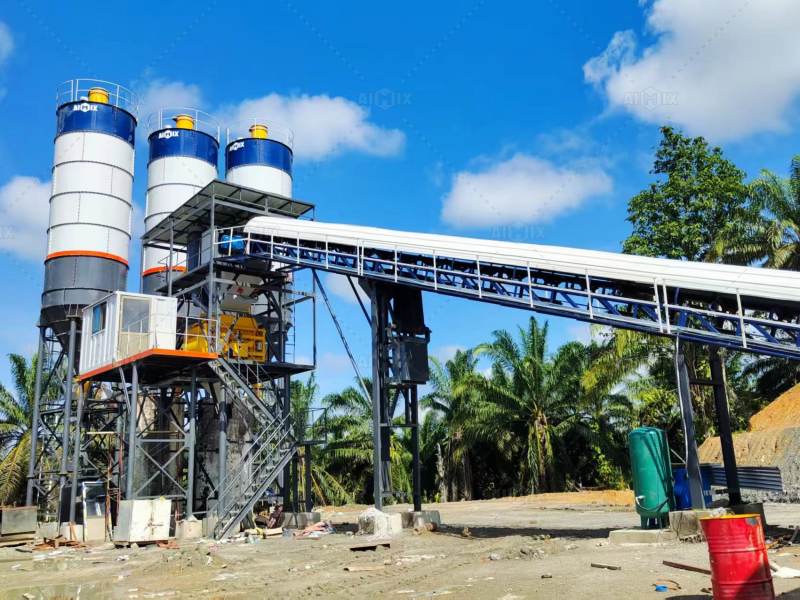
Project Scale: Small, Medium, and Large Plants
The scale of a project directly affects the type and size of the concrete batching plant required, which in turn influences cost.
1. Small-Scale Projects
For small residential or commercial projects, compact or mobile batching plants are often sufficient. These plants have lower production capacity, typically ranging from 25 to 60 cubic meters per hour. They are ideal for limited-space sites and short-term projects.
- Cost Impact: Small plants are generally more affordable, but the price per cubic meter of concrete may be higher if used for larger projects due to lower throughput.
- Example Use Cases: Urban housing developments, small road repairs, and landscaping projects.
2. Medium-Scale Projects
Medium-scale projects, such as mid-rise buildings, shopping complexes, or municipal infrastructure, require plants with higher output capacity (60–120 cubic meters per hour). These may include more advanced features like twin-shaft mixers, automated control systems, and larger storage silos.
- Cost Impact: Higher initial investment compared to small plants, but improved efficiency and productivity reduce the cost per cubic meter over time.
- Efficiency Gains: Automated systems reduce labor costs and ensure consistent concrete quality.
3. Large-Scale Projects
Large infrastructure projects, such as highways, airports, and high-rise buildings, demand high-capacity stationary batching plants. Output can range from 150 to 300 cubic meters per hour or more.
- Cost Impact: High upfront investment but significant long-term savings for high-volume production.
- Considerations: Large plants often require extensive site preparation, including concrete foundations, power connections, and storage facilities.
Choosing the right scale requires careful analysis. An overpowered plant for a small project increases unnecessary cost, while an underpowered plant for a large project can cause delays, inefficiency, and higher operational expenses.
Location: Regional and Site-Specific Considerations
The location of a concrete batching plant affects cost in several ways, including transportation, regulations, labor, and material availability.
1. Regional Material Availability
Concrete production relies on aggregates, cement, and water. Locations near quarries or cement plants reduce transportation costs and improve supply chain reliability. Conversely, remote areas may require long-distance transport of raw materials, increasing the total cost.
- Example: A China concrete batching plant manufacturer may offer competitive equipment prices, but shipping to Southeast Asia, Africa, or the Middle East can add significant cost.
2. Labor and Operational Costs
Labor costs vary by region. Areas with lower labor rates can reduce operating expenses, whereas high-cost regions may increase total production cost. Modern batching plants with automation and PLC systems can reduce labor dependency, partially offsetting high labor costs.
3. Land and Site Preparation
The physical location of the plant influences site preparation costs. Urban areas with limited space may require smaller, modular plants or multi-story layouts. Rural areas often provide more space but may require additional infrastructure, such as access roads, power lines, and drainage systems.
4. Regulatory Compliance and Permits
Different regions have varying regulations for construction equipment, environmental compliance, and safety standards. Meeting these requirements can add costs for permits, dust control systems, noise reduction measures, and wastewater management.
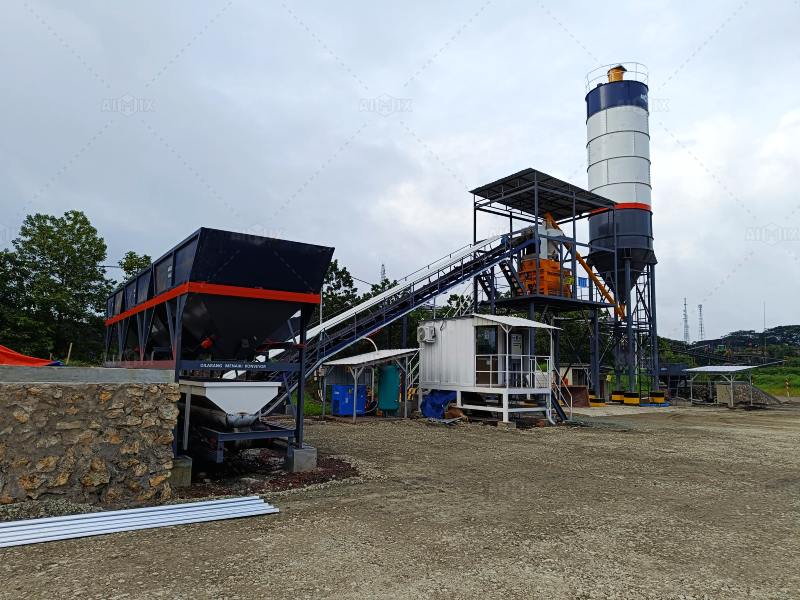
Selecting Equipment and Manufacturers
Choosing the right manufacturer significantly affects both initial cost and long-term operational expenses. Concrete batching plants manufacturers provide various options based on capacity, technology, and automation level.
- China Concrete Batching Plant Suppliers: Chinese manufacturers are popular worldwide due to their competitive pricing, flexible design options, and wide range of models, from small mobile units to high-capacity stationary plants.
- Customization and Technology: Manufacturers often offer customized solutions to fit specific project needs, including automated mixing, remote monitoring, and modular designs for relocation.
Investors should evaluate manufacturer reliability, after-sales service, and spare parts availability. Opting for low-cost but unreliable suppliers may reduce upfront costs but increase downtime and maintenance expenses.
Incorporating Plant Cost into a Concrete Batching Plant Business Plan
When preparing a concrete batching plant business plan, it is essential to include:
- Capital Expenditure (CapEx): Initial plant cost, shipping, installation, and site preparation.
- Operational Expenditure (OpEx): Labor, maintenance, energy consumption, and raw materials.
- ROI Analysis: Projected revenue from concrete sales, factoring in efficiency gains from automation and high-capacity equipment.
- Contingency Costs: Expenses for unexpected downtime, spare parts replacement, and regulatory compliance.
A well-prepared business plan ensures that plant selection, location, and scale align with project requirements and financial goals.
Conclusion
The concrete batching plant cost is influenced by both project scale and location. Small, medium, and large plants have different capacities and features, while site-specific factors such as material availability, labor, regulations, and land requirements further affect total cost. Selecting reliable concrete batching plants manufacturers, considering options like a China concrete batching plant, and incorporating these factors into a comprehensive concrete batching plant business plan helps investors make informed decisions, optimize efficiency, and maximize profitability.
Understanding these variables ensures that contractors and investors purchase a plant that matches their project needs, minimizes operational costs, and delivers consistent high-quality concrete for every project.