In metal fabrication facilities, overhead cranes are essential tools that enable efficient handling of heavy plates, steel beams, pipes, structural components, and completed assemblies. Whether the fabrication work involves cutting, welding, machining, bending, or large-scale assembly, a well-designed overhead crane system plays a fundamental role in improving productivity, operational safety, and material flow. However, selecting the proper crane requires a clear understanding of the different cost factors involved. Overhead crane pricing in the metal fabrication industry varies widely depending on crane configuration, lifting capacity, span, control method, installation conditions, and additional features required to withstand harsh operating environments.
This article explores the main cost factors influencing overhead crane investment specifically for metal fabrication production, helping plant owners and decision-makers make informed purchasing decisions and optimize long-term value.
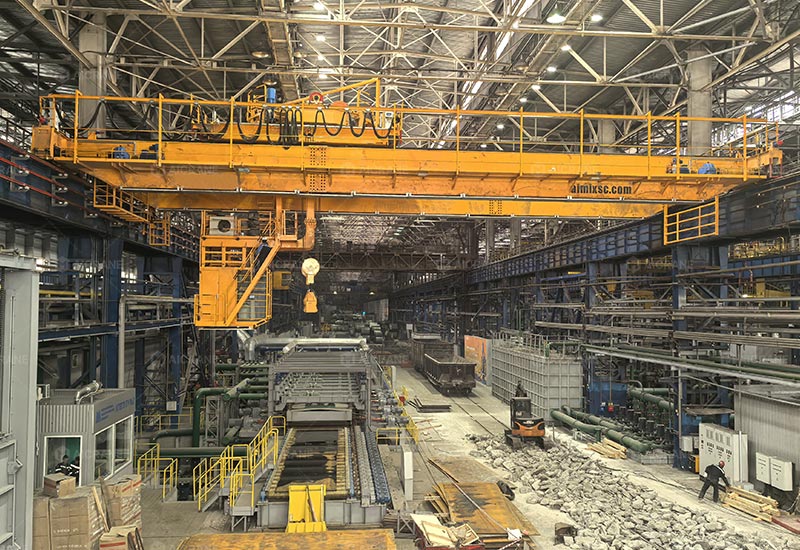
1. Crane Type and Configuration
The first – and often the most significant – cost factor is the type of overhead crane chosen. Metal fabrication shops use several configurations, each with different pricing implications.
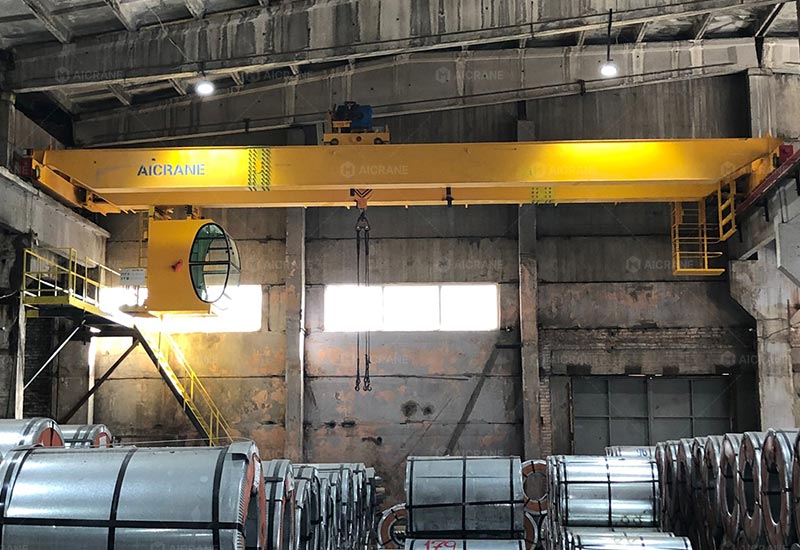
Single Girder Overhead Cranes
Single girder cranes are typically more cost-effective due to the lighter structure, simpler design, and fewer components. They are preferred for:
-
Light to medium metal handling
-
Small and mid-size workshops
-
Operations requiring lifting capacities between 1–20 tons
Because the single girder crane design is relatively simple, the overall cost of steel, hoist machinery, and installation is lower.
Double Girder Overhead Cranes
Double girder cranes are more expensive because they:
-
Provide higher lifting capacity (20–500+ tons)
-
Offer larger spans
-
Allow greater lifting height
-
Support more advanced lifting mechanisms
Metal fabrication operations that involve handling large plates, beams, or heavy welded assemblies typically choose double girder crane designs for power and stability.
European Standard Cranes (FEM/EN) vs. Traditional Designs
European-standard cranes cost more upfront but offer:
-
Higher lifting efficiency
-
Reduced wheel pressure
-
Smaller size and lighter weight
-
Lower long-term maintenance costs
Fabricators seeking long-term energy savings and improved precision often invest in the European-style AQ-HD or AQ-QDX cranes.
2. Lifting Capacity and Work Duty
Lifting Capacity
In metal fabrication shops, lifting capacity is one of the strongest determinants of crane cost. The heavier the load requirements—such as thick steel plates or assembled frames – the more robust the crane design needs to be.
A crane rated for 1–10 ton will cost significantly less than overhead crane 30 ton to 100 ton, mainly due to:
-
Stronger steel structures
-
Larger hoist motors
-
Reinforced girders
-
Higher-performance lifting mechanisms
Crane Work Duty (A3–A6 or FEM 1Am–3m)
Metal fabrication operations often involve repetitive lifting, which requires a higher duty cycle.
-
A3/A4: Light–medium duty
-
A5/A6: Medium–heavy duty, suitable for high-frequency operations
A higher duty rating increases the overhead crane price because it requires:
-
Stronger hoists
-
More durable gearboxes
-
Advanced motors and brakes
-
Stronger structural components
For fabrication environments where lifting is continuous, choosing the right duty class is essential not only for safety but also for minimizing downtime.
3. Span, Lifting Height, and Workshop Dimensions
The crane span and lifting height directly influence the manufacturing and installation cost.
Span
A longer span requires:
-
More structural steel
-
Larger end carriages
-
Stronger girders
Metal fabrication plants often have wide workshop bays, especially those handling structural steel, resulting in higher costs due to the increased crane size.
Lifting Height
Cutting stations, welding stations, and large assembly areas often require extended lifting height. Taller cranes require longer hoist ropes, specialized hoist trolleys, and additional safety features.
Existing Building Conditions
If the crane needs to be installed in an older or non-standard building, extra cost may arise for:
-
Reinforcing steel structure columns
-
Adding runway beams
-
Removing obstacles
-
Adjusting ceiling height
These structural modifications can significantly increase total cost compared with installing a crane in a purpose-built metal fabrication workshop.
4. Hoist and Lifting Mechanism Design
The hoist design is another major cost driver, especially in metal fabrication where precision handling is required.
Wire Rope Hoists vs. Chain Hoists
-
Wire rope hoists cost more but offer higher lifting speeds and capacities – ideal for metalworking operations.
-
Chain hoists are more affordable but used mainly for light-duty fabrication tasks.
Lifting Speeds
Metal fabrication processes often require faster lifting speeds to maintain workflow. A high-speed hoist or dual-speed hoist increases the price but provides better productivity.
Special Attachments
Metal fabrication involves unique materials that often require specialized lifting tools:
-
Magnetic lifters
-
Vacuum lifters for sheet metal
-
Rotating hooks
-
Spreader beams
-
Plate clamps
These attachments increase cost but ensure safe and efficient handling.
5. Control Mode and Automation Level
Ground Control (Pendant)
The most economical option, suitable for simple lifting tasks.
Remote Control
Slightly increases cost but improves safety by allowing the operator to maintain distance from welding zones, hot metal, or moving materials.
Cabin Control
Most expensive but required for:
-
Heavy loads
-
Complex movements
-
Large workshops
Automation and Anti-Sway Systems
Many modern fabrication facilities are adopting automated or semi-automated crane systems.
Features influencing cost include:
-
Variable Frequency Drives (VFD)
-
Anti-sway technology
-
Intelligent positioning
-
Collision avoidance
-
Load monitoring systems
While these systems increase upfront cost, they significantly reduce accidents, enhance precision, and improve workflow efficiency in metal fabrication.
6. Safety Features Required for Metal Fabrication Environments
Metal fabrication plants present unique risks due to welding, cutting, grinding, heat, and dust. A crane operating in this environment may require:
-
Heat-resistant cables
-
Fireproof components
-
Dustproof electrical cabinets
-
High-temperature motors
-
Enhanced brake systems
-
Overload protection
-
Emergency stop systems
-
Limit switches for all motions
These optional safety enhancements add cost but ensure safe operation in harsh environments.
7. Installation, Testing, and Commissioning Costs
Installation is affected by:
-
Workshop height and complexity
-
Existing crane structure (if upgrading)
-
Need for runway beam reinforcement
-
On-site assembly requirements
Metal fabrication workshops with large columns and heavy structural steel may require specialized lifting equipment or additional engineering support, increasing installation cost.
Testing and commissioning – load testing, alignment, electrical connection – also contribute to final cost.
8. Long-Term Maintenance and Lifecycle Costs
Although not part of the upfront purchase cost, maintenance plays a major role in crane selection.
Factors affecting lifetime cost include:
-
Crane duty cycle
-
Quality of hoist components
-
Need for frequent inspections
-
Spare parts availability
-
Energy consumption
European-standard cranes typically offer lower lifetime costs due to efficient motors, durable components, and smart maintenance systems.
Conclusion
The cost of overhead cranes used in metal fabrication production depends on a variety of factors – ranging from crane type, lifting capacity, and span to automation level, special attachments, installation conditions, and long-term operational needs. Choosing the right crane requires balancing initial investment with productivity, safety, and lifecycle performance. For metal fabrication plants aiming to streamline workflow and improve handling efficiency, investing in the appropriate crane system is a crucial decision that can significantly impact overall operational success.