You’ve decided it’s time. Your construction business is scaling, or your new materials venture is launching, and a concrete batch plant is the pivotal piece of equipment that will define your operational capacity. Then you start requesting quotes. The numbers that come back can induce a kind of vertigo—why does one plant with a 60m³/hr capacity seem to cost twice as much as another with the same stated output? Unraveling this variation isn’t about finding the cheapest option; it’s about analytically decoding the value proposition behind every dollar. The concrete batch plant price tag is a direct transcript of engineering decisions, component quality, and manufacturing philosophy. Let’s pull back the curtain.
The Core Architecture: Stationary vs. Mobile & Scale
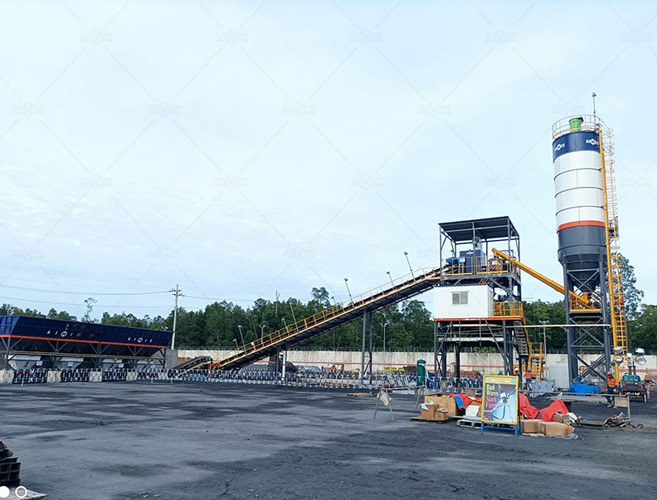
The first and most dramatic fork in the pricing road is the fundamental choice between a stationary plant and a mobile one. This is not a minor specification; it’s a complete reimagining of the machine’s purpose and design. A stationary plant is engineered for permanence and maximum volume over decades. Its cost is anchored in heavy structural steel frameworks, deep pile foundations, towering cement silos, and often extensive peripheral infrastructure like conveyors and aggregate storage bins. You are paying for monumental durability and optimized logistics. Conversely, a mobile batch plant, whether trailer-mounted or self-erecting, is a masterpiece of constrained engineering. Its premium comes from the ingenious use of high-strength, lightweight materials, complex hydraulics for setup, and a design paradigm that sacrifices some longevity for transformative mobility. Its value is in rapid deployment and flexibility, not sheer decades of service. Within either category, the scale—the rated output in cubic meters per hour—acts as the primary multiplier. A 120m³/hr ready mix concrete plant isn’t just a bigger version of a 60m³/hr plant; it requires heavier structural members, larger mixers, more powerful motors, and broader conveyors. The cost escalates non-linearly, reflecting this increase in material mass and mechanical force.
The Heart of the System: Batching Precision and Mixing Intensity
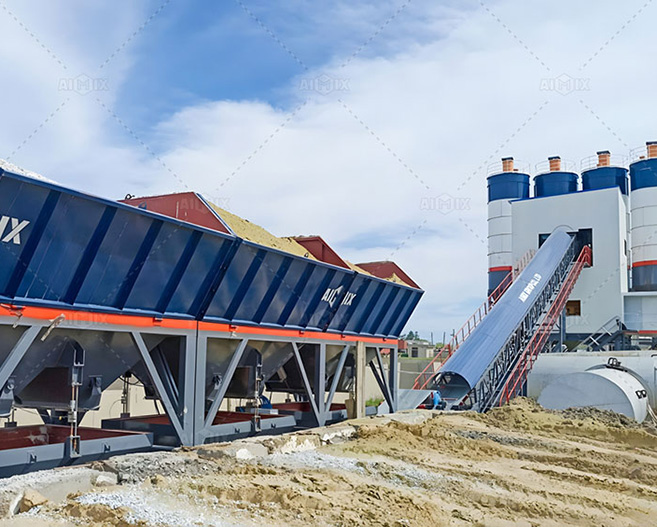
Here is where manufacturers make critical choices that profoundly affect both performance and price. The batching system is the conscience of your plant, ensuring recipe accuracy. A basic cumulative weigh batcher, where aggregates, cement, and water are weighed sequentially in the same hopper, is a cost-effective solution. However, the premium independent weigh batcher system, with dedicated load cells for each material type performing simultaneous measurements, delivers superior speed, accuracy, and mix consistency. You pay for that precision and the reduced cycle time it enables. Similarly, the mixer itself is a core differentiator. A simple tilting drum mixer offers a lower entry point but limited mixing intensity for harsh mixes. A twin-shaft paddle mixer, with its forceful, overlapping agitation, ensures a homogenous blend of even the most demanding recipes in a shorter time, but commands a higher price due to its complex gearbox and robust internal components. The choice between a cost-centric and a performance-centric heart for your mobile batching plant is a major price determinant.
The Brain and Brawn: Control Sophistication and Component Pedigree
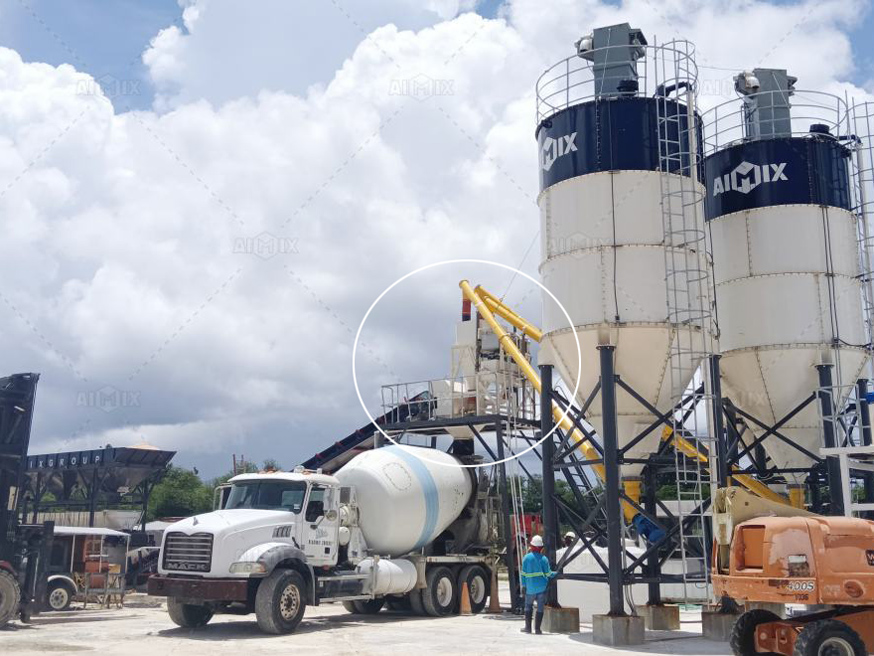
The operator’s cabin is where the plant’s intelligence resides, and the level of that intelligence carries a significant cost implication. A manual or semi-automatic control system with basic relays and switches represents the economical baseline. Moving up to a fully programmable logic controller (PLC) system with a color touchscreen, automated recipe management, production reporting, and diagnostic suites represents a substantial investment. This isn’t just for show; it’s for repeatability, waste reduction, and data-driven management. Equally important is the pedigree of the physical components—the brawn. A concrete batch plant for sale built with globally recognized, brand-name electrical components (Siemens, Schneider), precision gearboxes, and hardened steel mixer liners will inherently cost more than one using generic or off-brand equivalents. The former offers predictable performance, longer mean time between failures, and global parts availability. The latter offers a lower upfront cost but carries a hidden future liability in potential downtime and harder-to-source replacements. This is the classic, analytical value equation: capital expenditure versus operational expenditure.
The Intangible Premium: Engineering, Compliance, and Support
Finally, we arrive at the often-overlooked factors that separate equipment manufacturers from mere assemblers. Does the price include custom engineering to fit your specific site layout or to handle a unique supplementary material like fly ash or slag? That bespoke service costs money. Is the plant designed and documented to meet stringent international standards like CE (Conformité Européenne) or others? The rigorous testing, certification, and additional safety features required for compliance are baked into the price. Perhaps most crucially, what is the depth and reach of the manufacturer’s after-sales support? A slightly higher quote that includes comprehensive commissioning, thorough on-site operator training, a well-stocked regional parts depot, and guaranteed response times for technical support is almost always the more valuable proposition over the long haul. You are investing in a production asset, and the manufacturer’s commitment to its uptime is a non-negotiable part of the total value. In essence, the final price variation encapsulates a promise: the promise of precision, reliability, and partnership. Choosing wisely means understanding every layer of that promise.