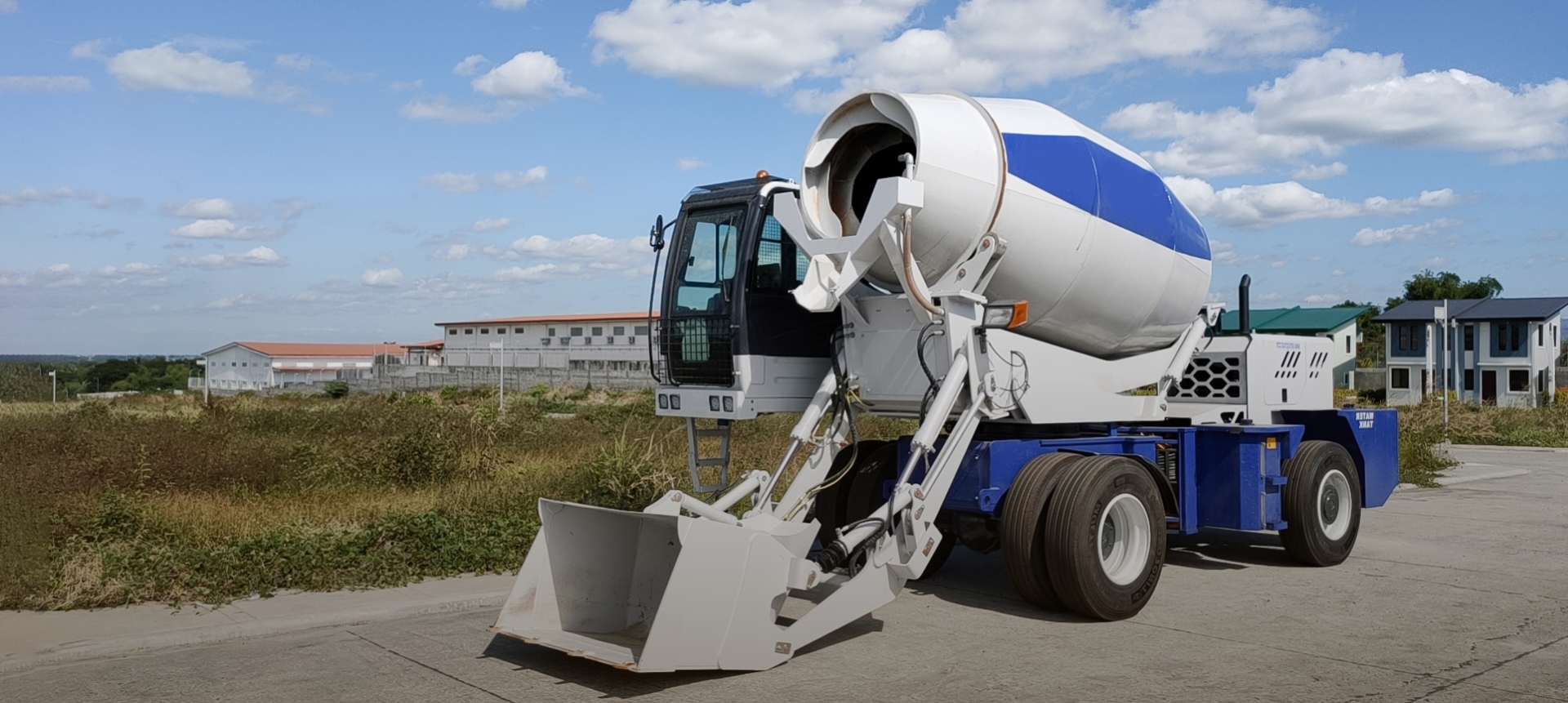
The narrative of urban construction has long been dominated by the dramatic: tower cranes silhouetted against the sky, massive truck-mounted concrete pumps extending their articulating booms like mechanical giraffes feeding a rising skyline. Yet a quieter, arguably more complex story is unfolding within the city’s existing fabric. High-rise retrofits—the strengthening of aging structures, the addition of new cores to occupied buildings, the infill of floor plates in buildings never designed for modern use—present a distinct set of challenges that the grand equipment of new construction often cannot address.
This is where the unassuming line pump emerges as a strategic asset, a piece of equipment that trades the spectacle of the boom for the virtues of agility, patience, and the ability to navigate constraints that would render conventional pumping impossible. In the realm of occupied buildings, where elevator cores are narrow, loading docks are inadequate, and the tolerance for disruption approaches zero, the concrete line pump becomes more than a tool; it becomes a logistical solution. Those who understand its capabilities recognize it as the quiet fulcrum upon which successful high-rise retrofits pivot—a secret weapon precisely because its value is often overlooked until the conventional options are exhausted.
The Geometry of Constraint: Navigating Spaces Booms Cannot Reach
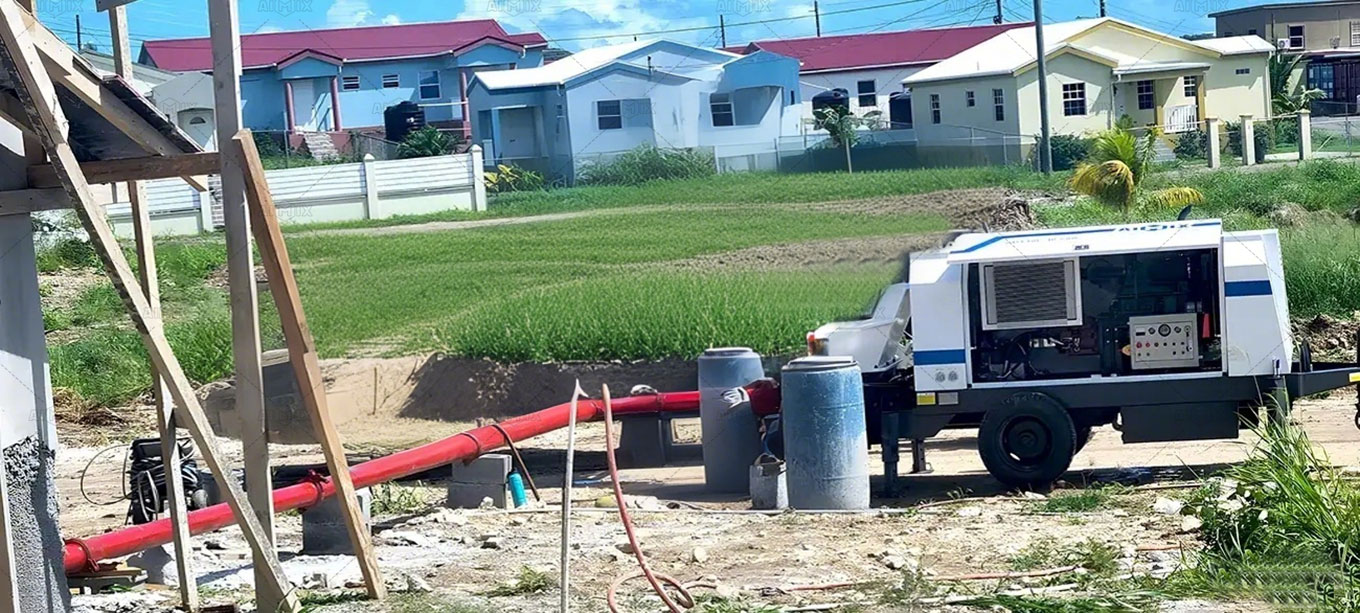
The fundamental limitation of the boom pump in retrofit scenarios is geometric. A truck-mounted boom requires a stable platform, typically occupying a footprint of several hundred square feet for outrigger deployment, and demands overhead clearance that may be obstructed by street trees, signage, or the very building being renovated. In dense urban cores where retrofits are most common, securing such a space for an entire pour day is a logistical impossibility. The line pump operates under an entirely different spatial logic. Its power unit—the pump itself—can be positioned blocks away, connected to the point of placement by a web of steel-reinforced rubber hose that snakes through loading bays, up service stairwells, and along corridors. Where a concrete boom pump for sale requires the concrete to come to the machine, the line pump allows the concrete to be pushed to wherever the hose can be routed. This capability proves decisive in retrofits where the work occurs entirely within the building envelope. Pouring a new shear wall on the fifteenth floor of an occupied tower becomes a matter of running hose up a fire stair, securing it at landings, and delivering concrete directly to the formwork. The line pump does not demand that the building accommodate it; it accommodates the building, conforming to the existing geometry rather than requiring it to be reconfigured.
Disruption Economics: Minimizing Occupant Impact and Maximizing Operational Windows
High-rise retrofits rarely occur in vacant structures. These projects unfold in buildings where businesses operate, residents sleep, and daily life continues. The disruption caused by construction activities carries tangible costs—lost productivity for commercial tenants, tenant concessions for residential buildings, and the ever-present risk of tenant relations deteriorating into lease disputes or regulatory complaints. The line stationary pump for concrete excels in this environment precisely because it minimizes the footprint of disruption. A boom pump demands street closure, sidewalk diversions, and often requires the building’s loading dock to be commandeered for the duration of the pour. A line pump, by contrast, can be staged in a single parking space or in a basement garage. The hose can be run during off-hours and left in place for multiple pours. This allows contractors to concentrate their work into narrow windows of opportunity—a weekend pour when office floors are empty, or nighttime operations when residential elevator traffic is minimal. The line pump enables what might be termed “invisible construction”: work that occurs without cordoning off city blocks or requiring tenants to navigate around heavy equipment. For building owners and general contractors managing the delicate balance between necessary structural work and tenant satisfaction, this reduction in disruption profile often justifies the slightly slower placement rates that line pumps offer compared to their boom-mounted counterparts.
Pressure Management and Placement Precision in Vertical Applications
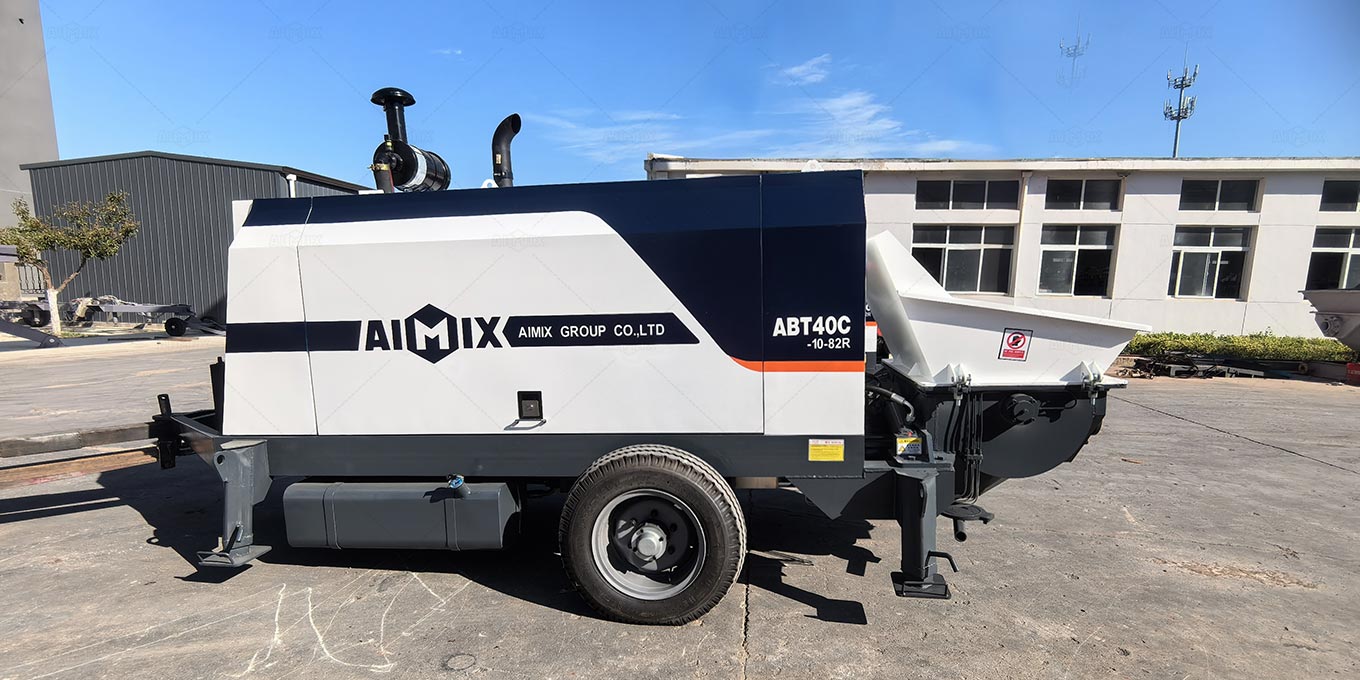
One of the most underestimated challenges in high-rise retrofits is managing concrete pressure over extended vertical runs while maintaining placement precision. Boom pumps excel at high-volume, high-pressure delivery but are designed for open placements where the operator can articulate the boom to guide concrete into forms. In a retrofit, the placement point is often a single column form or a narrow wall section deep within the building’s interior. The line pump, when properly configured with a sequenced hose layout and pressure-limiting controls, offers superior control in these confined placements. Experienced line pump operators develop an intuition for managing the “slump” of the concrete against the friction of extended hose runs, using pressure relief valves and staged pumping to prevent the sudden surges that can overtop forms or cause segregation. Furthermore, the flexibility of the hose allows for the concrete to be placed from the bottom of the form upward—a technique known as “pumping from the bottom” that minimizes air entrapment and ensures consolidation in tight reinforcement scenarios. This level of placement control is not merely a convenience; it is a quality assurance imperative in structural retrofits where the new concrete must bond with existing substrate and the consequences of a failed placement are catastrophic.
Fleet Strategy and Contractor Adaptability
The decision to deploy line pumps as a strategic asset rather than a fallback option reflects a broader orientation within a contractor’s approach to urban retrofits. Firms that specialize in this sector often maintain their own fleets of concrete trailer pumps rather than relying entirely on rental, recognizing that availability during narrow windows of opportunity is critical. These fleets are typically tiered: small electric units that can be brought into building lobbies on hand trucks for the most constrained pours, mid-sized diesel units for basement garage staging, and larger trailer-mounted units for projects where some external staging is possible but full boom deployment remains impractical. The common thread across these tiers is a commitment to understanding the equipment’s capabilities at a granular level—knowing the maximum vertical lift a given unit can achieve with a particular mix design, understanding how hose diameter affects placement rates, and developing standard operating procedures for coordinating between the pump operator at ground level and the placement crew on the working floor. This depth of operational knowledge transforms the line pump from a commodity rental item into a differentiated capability. For the general contractor evaluating bids on a complex retrofit, the line pump strategy of a subcontractor becomes a proxy for their overall approach to the unique challenges of working within occupied structures. It signals a contractor who has thought beyond the obvious solution, who understands that in the constrained geometry of the existing city, the most effective tool is often the one that arrives quietly, occupies almost nothing, and simply pushes concrete exactly where it needs to go, floor after floor, without anyone outside the project ever noticing it was there.