For burgeoning construction enterprises in Kenya, the decision between purchasing and renting a self-loading concrete mixer is a formidable strategic inflection point. The allure of a lower initial outlay through renting often competes with the long-term equity and operational control that ownership provides. The Kenyan market, characterized by its dynamic growth and fluctuating project scales, demands a meticulous evaluation of financial implications, operational continuity, and the trajectory of business expansion. This article serves as a comprehensive guide, dissecting the economics and logistics of both options. It will illuminate why, despite the upfront capital requirement, acquiring a self loader mixer through a reputable dealer often emerges as the superior strategy for businesses intent on scaling their operations and securing a competitive edge in the region.
The Financial Crossroads: Upfront Cost vs. Long-Term Investment
The initial price tag of a self-loading concrete mixer can seem daunting, especially for a growing enterprise. However, this immediate expenditure must be weighed against the cumulative financial drain that rental fees represent over the lifespan of a typical project. A cursory glance at the figures often reveals that ownership is not merely an expense but a profitable investment.
Deconstructing the Rental Cost Trajectory
Renting a mixer requires a daily or monthly fee, which may appear manageable in the short term. However, these costs are recurring and inescapable for the duration of the project. For a standard construction timeline of several months, the total rental expenditure can easily approach, and even surpass, the purchase price of the equipment. Furthermore, rental agreements frequently include hidden charges, such as transportation costs for delivery and collection, insurance premiums, and penalties for even minor wear and tear. This model creates an escalating financial burden that offers no return on equity. When a project extends due to unforeseen circumstances, the rental trap tightens, bleeding capital that could have been invested in a tangible asset.
The Enduring Value of Asset Ownership
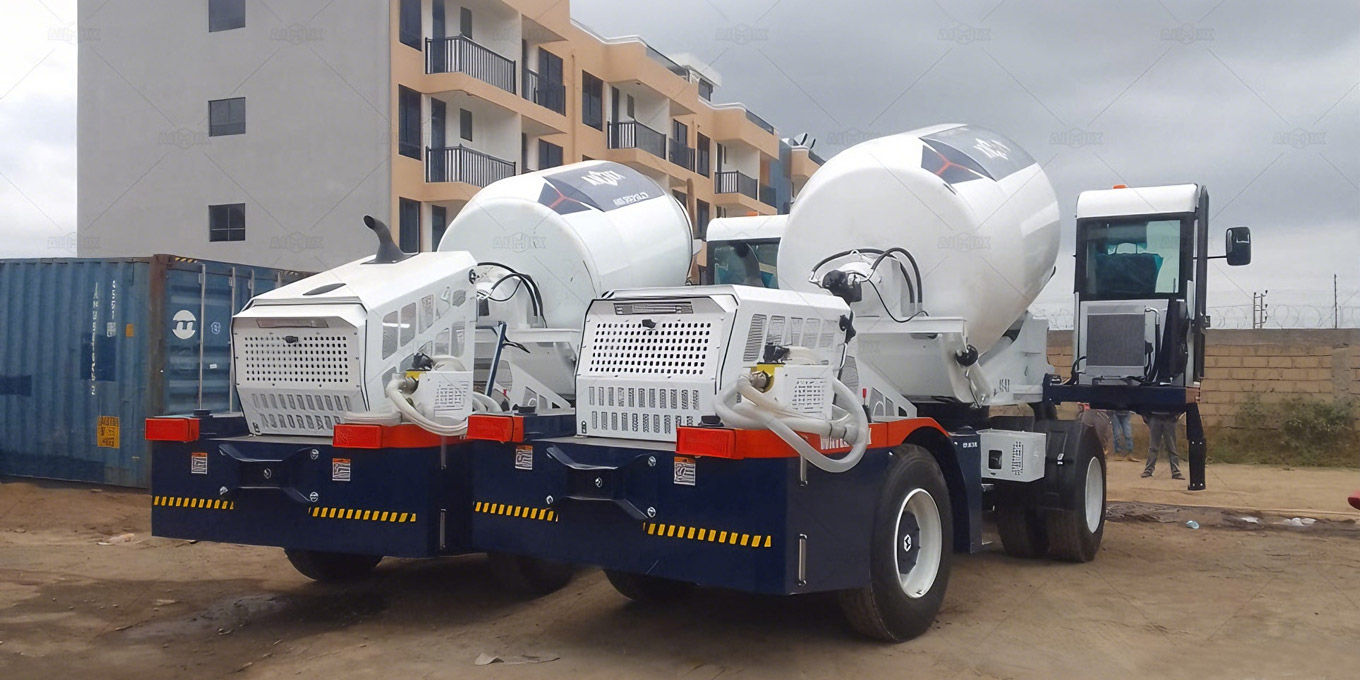
Conversely, purchasing a self-loading mixer, particularly from a trusted dealer, transforms a variable operational cost into a fixed asset. While the initial cash outlay is significant, the machine becomes a permanent component of the company’s capital infrastructure. It is a durable asset that retains a substantial resale value, even after years of faithful service. This is a critical consideration for businesses in Kenya, where the resale market for well-maintained construction equipment remains robust. Moreover, the cost of ownership is finite. Once the concrete mixer machine is paid for, the only expenses are routine maintenance and operational consumables, allowing for significantly enhanced profit margins on future projects.
Operational Agility and Project Autonomy
Beyond the simple financial equation, the decision between buying and renting profoundly impacts a company’s operational flexibility and autonomy. In the unpredictable world of construction, the ability to act swiftly and decisively is often the difference between profitability and loss.
Freedom from Logistical Constraints
When a business rents a mixer, its project schedule is often tethered to the whims of the rental provider. The machine must be ordered in advance, and the return schedule is rigid. This lack of control can be crippling. A sudden downpour might delay a pour, but the rental meter continues to run. Conversely, a project might accelerate, requiring the machine for longer, yet the rental company may have already committed it to another client. Owning a mixer eliminates this precarious dependency. The machine is permanently available, allowing the project manager to schedule pours exactly when required, responding to weather changes or shifts in the workflow with unrivalled agility. This autonomy is the bedrock of efficient project management.
Leveraging Dealer Support for Maximum Uptime
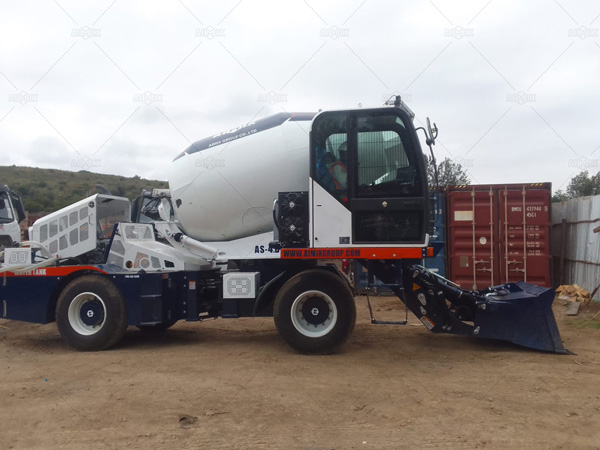
One of the most overlooked advantages of buying from a reputable dealer is the access to comprehensive after-sales support. A professional dealer offers more than just a machine; they provide a partnership. This includes robust warranties, readily available spare parts, and skilled technicians for on-site servicing. This support infrastructure is invaluable in minimizing downtime, which is the arch-enemy of profitability. Rented machines, conversely, are often older models with a history of heavy use and dubious maintenance records. A breakdown of a rented mixer leads to a frustrating cycle of waiting for the rental company to arrange repairs or a replacement, a period of idleness that costs precious time and labour. The reliability and support provided by a dealer-purchased large concrete mixer machine ensures operational continuity and peace of mind.
Strategic Growth and Business Scalability
For a business with ambitions of expansion, the decision to purchase a self-loading mixer is not just a logistical choice; it is a strategic declaration of intent. It signals a commitment to capacity building and positions the company to seize larger, more lucrative opportunities.
https://youtu.be/db6T8M7OHsI?list=PLTf51eYOmIl-AXCOLcIOrIKNpXvl-q-jE
Building a Competitive Edge Through Self-Sufficiency
In the competitive Kenyan construction market, self-sufficiency is a powerful differentiator. A company that owns its own concrete production equipment can tender for projects with more competitive concrete mixer price in Kenya, having eliminated the margin of profit that a rental company or a ready-mix supplier would otherwise take. This control over the value chain allows for higher profitability on each cubic meter of concrete produced. Furthermore, the ability to mobilize a mixer to a site at a moment’s notice enhances the company’s reputation for reliability and speed. It projects an image of a serious, established operator, capable of handling demanding projects, which naturally attracts higher-value contracts.
Scaling Capacity and Diversifying Revenue Streams
Owning a self-loading mixer opens the door to new revenue streams that are simply unavailable to renters. The machine can be deployed across multiple projects, enhancing the company’s capacity and efficiency. Once a core project is completed, the mixer can be relocated to a new site, ensuring continuous utilization. It also enables the business to offer concrete mixing services to smaller contractors in the region, providing an additional source of income. This operational scalability and diversification of revenue are the engines of sustained business growth. The upfront investment in a mixer, therefore, is not a cost but a catalyst for exponential business development, a fact that is readily apparent to any entrepreneur with a long-term vision.