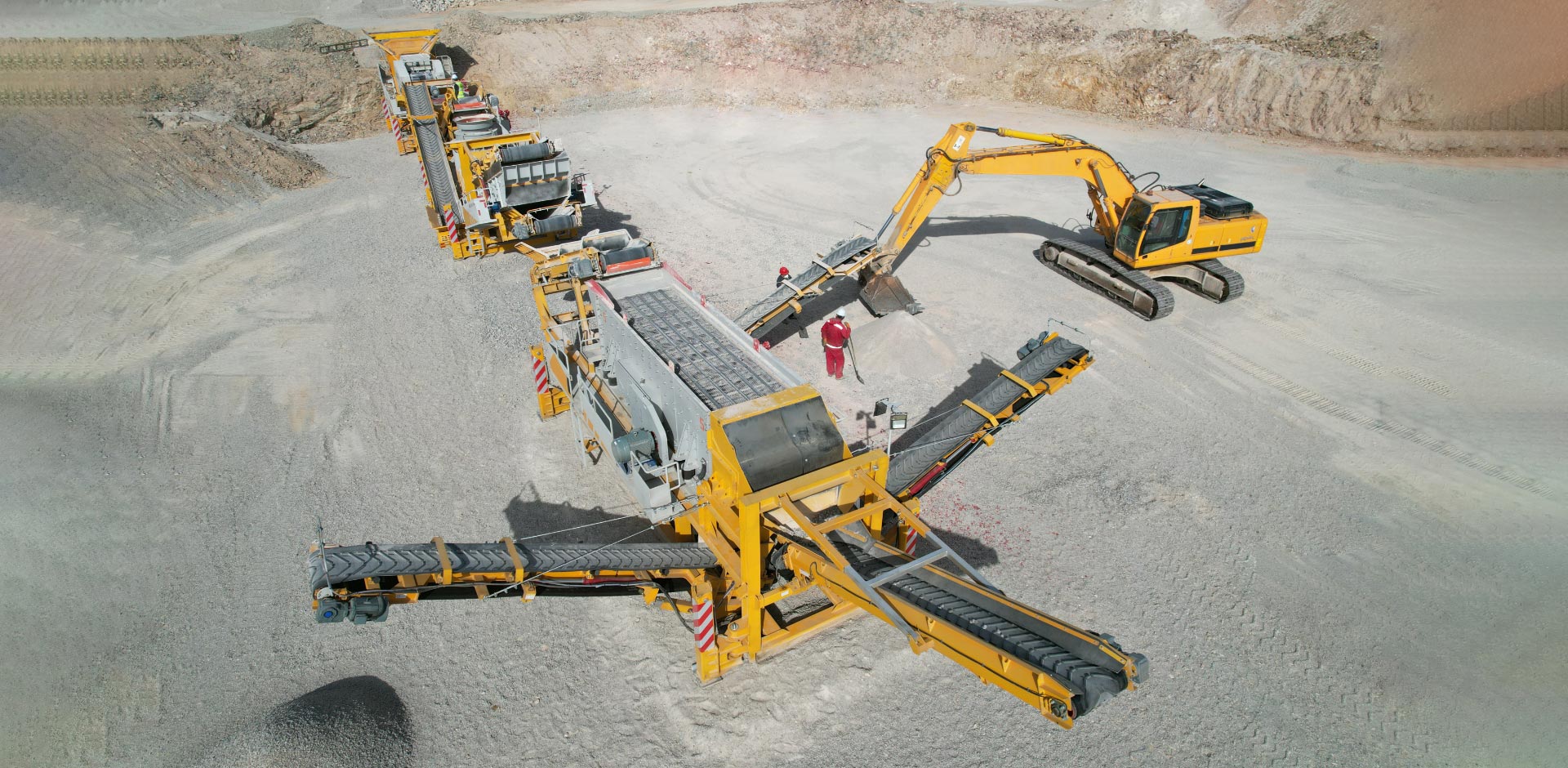
Demolition projects in dense metropolitan areas generate massive volumes of reinforced concrete rubble annually. Transporting this heavy debris across congested city streets increases your operating fuel expenses significantly. Additionally, landfills charge high tipping fees to accept raw concrete blocks. Consequently, contractors prefer to process structural waste directly on the demolition site. Sourcing an efficient concrete crusher for sale solves these logistical hurdles. This technical guide explains how to select the right equipment for urban material recycling.
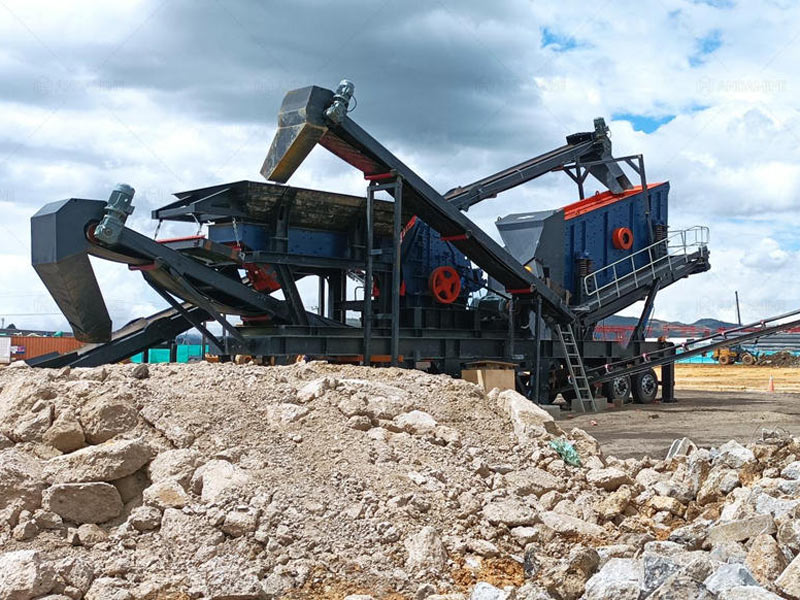
Navigating Demolition Debris and Rebar Separation Challenges
Processing demolition rubble is highly complex compared to crushing natural quarry stone. Structural concrete elements contain dense networks of steel rebar and tension wires. Therefore, you must select machinery that handles metal contamination without experiencing mechanical damage. Choosing the wrong processing layout leads to frequent jams and costly project delays. Let us analyze how different crushing mechanisms handle embedded metal.
Overcoming Rebar Jamming in Primary Crushing
First, the primary crushing phase reduces massive concrete slabs into manageable mid-sized aggregate feed. Large concrete blocks require high compressive forces to fracture the cured matrix. When searching for a durable concrete crusher for sale, evaluate the physical intake opening.
For this heavy initial reduction, contractors typically research heavy-duty jaw crushers for sale online. These machines compress the rubble between a fixed and a moving manganese steel plate. Specifically, modern units feature hydraulic release systems to clear trapped metal. This system prevents the rebar from bending and jamming the chamber. Consequently, your crew can process thick foundation blocks without manual clearing labor.
Mechanical Separation of Steel from Aggregate
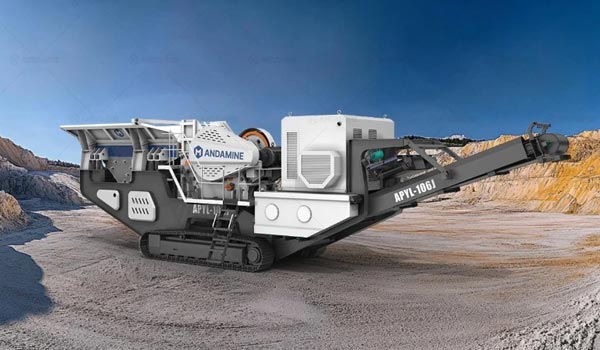
Second, secondary crushing must separate the fractured concrete from the embedded steel rebar. Achieving high-purity aggregate requires breaking the adhesive bond between the concrete and the metal.
Deploying highly efficient mobile impact crushers resolves this structural separation challenge. These machines utilize high-speed blow bars to strike the incoming aggregate blocks. This impact fractures the concrete along natural cleavage planes. Consequently, the concrete shatters cleanly away from the steel rebar. An integrated overhead magnetic belt then extracts the loose steel. This process generates clean, saleable scrap metal and pure aggregate.
Comparing Mobility and Setup Configurations for Dense Urban Yards
Site layouts in major cities are often extremely tight and crowded. Standard stationary crushing plants require extensive concrete foundations and permanent electrical connections to operate. Thus, stationary setups are completely impractical for dynamic, short-term demolition jobs. Contractors must evaluate self-contained, highly mobile machinery configurations. Let us compare the most flexible mobile designs for urban workspaces.
Track-Mounted Independence with Crawler Crushers
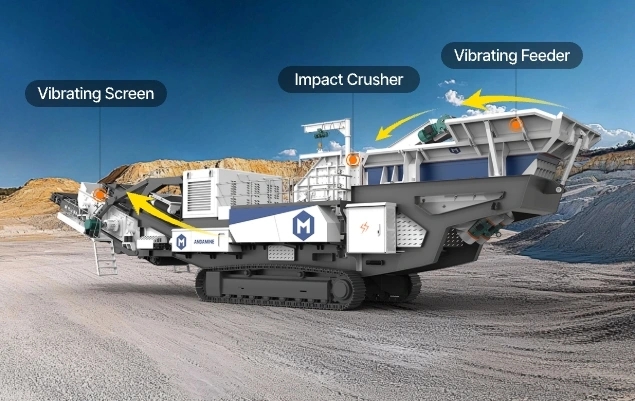
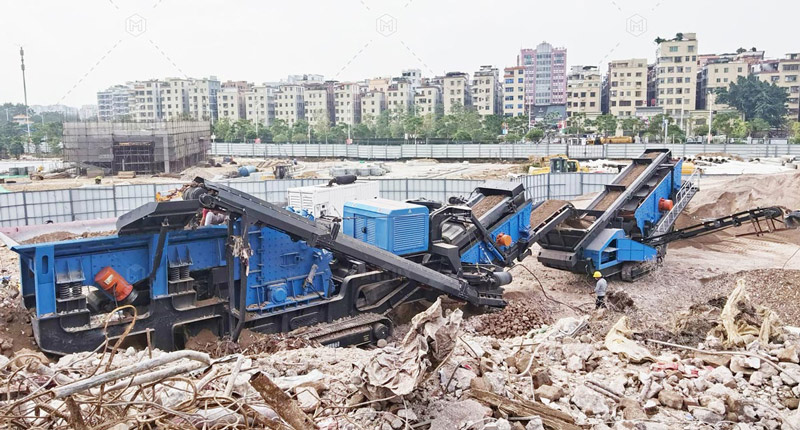
For projects requiring frequent site changes, a mobile crawler crusher offers outstanding mobility. This tracked machine moves independently around the demolition yard using simple remote controls. Therefore, you do not need to construct concrete foundations to begin processing. You simply drive the unit off the flatbed trailer.
Consequently, operators can position the crusher directly next to the active debris pile. This localized positioning reduces excavator travel times and saves loader fuel. The robust tracks distribute the machine weight evenly across loose rubble. Thus, the unit operates safely on unstable slopes where wheeled trucks get stuck.
Financial Sourcing Parameters and Fleet Integration
Acquiring a high-performance concrete crushing machine represents a major capital investment for growing firms. Procurement officers must look beyond the initial purchase price to evaluate long-term operating costs. Selecting the right equipment configuration ensures a rapid return on your capital investment. Let us evaluate the primary procurement metrics to secure your business margins.
First, evaluate the daily volumetric output targets of your construction projects. Match the crushing chamber dimensions directly to your average debris sizes. Buying an oversized machine raises your daily diesel fuel consumption unnecessarily. Conversely, an undersized unit creates severe bottlenecks in your material flow.
Second, analyze the total cost of wear components over the asset lifespan. Hard concrete aggregates create deep physical wear on crushing plates and blow bars. Therefore, choose manufacturers who utilize high-grade manganese and chrome alloys.
Third, verify the regional availability of spare parts and technical support. Choose a dealer who maintains a robust parts inventory in your country. Having replacement hydraulic valves nearby prevents weeks of costly shipping delays. Ultimately, local supplier support protects your active project timelines.
Essential Preventive Upkeep for High-Wear Demolition Materials
Operating heavy crushing equipment in dusty urban zones puts intense stress on parts. Fine concrete dust can contaminate engine lubricants and damage high-pressure hydraulic seals. Therefore, your ground crew must implement a strict daily preventative maintenance routine. Consistent upkeep prevents sudden mechanical failures and lowers subsequent repair bills. Let us review the key daily procedures.
First, wash or blow out the engine air filters at the end of every shift. Abrasive concrete dust blocks engine air intake and causes overheating. Clean filters preserve engine power and maintain optimal fuel efficiency on site.
Second, inspect the primary conveyor belts and crawler track tension daily. Loose belts can slip under heavy aggregate loads and cause motor damage. Additionally, check for rebar punctures in the discharge belt regularly.
Third, apply high-quality grease to the main eccentric bearings every single morning. Proper lubrication reduces extreme mechanical friction and prevents expensive bearing seizures. Inspect the crushing chamber liners weekly for deep physical wear. Replace worn plates early to protect the main frame of the machine.
Conclusion
In summary, localized concrete recycling solves transit bottlenecks and eliminates high landfill tipping fees. Sourcing a durable mobile unit ensures consistent aggregate production on every shift. Define your daily volume targets clearly before selecting a final equipment configuration.
Always partner with reliable machinery suppliers who maintain regional spare parts inventories. Proper operator training also reduces mechanical wear and lowers long-term maintenance costs. Ultimately, a strategic asset purchase secures your project timeline and enhances business profits.