Container handling gantry cranes (CHGCs), often referred to as container cranes, play a pivotal role in modern ports and intermodal terminals. These cranes are designed to efficiently lift, move, and stack shipping containers, ensuring smooth logistics and cargo throughput. However, one of the key challenges in designing CHGCs is ensuring operational safety across diverse environmental conditions. Ports are often exposed to harsh and unpredictable weather, including high winds, extreme temperatures, humidity, salt-laden air, and seismic events. These environmental factors can significantly affect the performance, structural integrity, and safety of gantry cranes if not properly accounted for in the design phase.
This article explores the principles and strategies for designing container handling gantry cranes that are safe and reliable in varying environmental conditions, emphasizing structural, mechanical, electrical, and operational considerations.
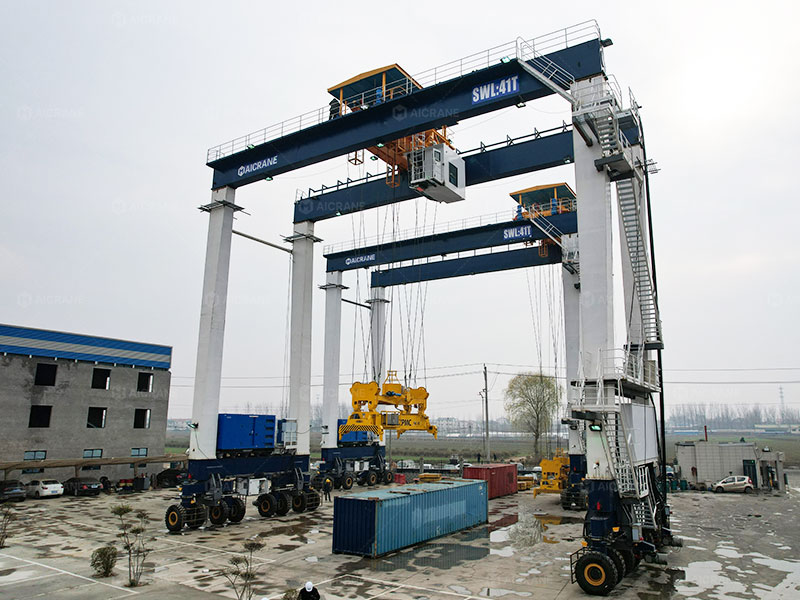
1. Understanding Environmental Challenges
Before delving into design solutions, it is essential to understand the environmental challenges that container handling gantry cranes typically face:
-
Wind Loads: Wind is one of the most critical factors in crane design. Strong gusts can create excessive sway in the crane boom, affect the stability of containers during lifting, and impose additional lateral loads on the crane structure. Coastal ports and open terminals are particularly susceptible to high wind conditions.
-
Temperature Extremes: Both very high and very low temperatures can affect materials and mechanical systems. Metal structures can expand or contract, impacting clearances and alignment. Hydraulic fluids, lubricants, and electrical systems may also behave differently under extreme temperatures.
-
Corrosion: Ports are often exposed to salt-laden air, especially in coastal regions. Salt and humidity accelerate corrosion of steel structures, cables, and electrical components, reducing their lifespan and increasing maintenance requirements.
-
Seismic Activity: In earthquake-prone regions, port gantry cranes must be designed to withstand seismic forces that could compromise stability or cause structural failure.
-
Rain, Snow, and Ice: Precipitation can affect the crane’s electrical systems and create hazardous conditions on surfaces, leading to slippage or reduced traction. Ice accumulation can add unexpected weight and affect movement.
-
Dust and Contaminants: Ports handling bulk cargo or operating near industrial areas may encounter dust or airborne particles, which can impair sensors, electrical systems, and moving parts.
2. Structural Design Considerations
Structural integrity is the backbone of safe gantry crane design. Environmental conditions should inform material selection, structural layout, and load capacity:
-
Material Selection: High-strength, corrosion-resistant steels such as ASTM A572 or weathering steel are often used for crane girders and legs. For extremely corrosive environments, protective coatings, galvanization, and anti-corrosion paints are essential.
-
Wind-Resistant Design: Modern CHGCs are designed to withstand specific wind speeds, often expressed in terms of ultimate wind load (UWL). The design typically incorporates aerodynamic profiles, open lattice structures, and strategically reinforced cross-bracing to reduce wind pressure and oscillations.
-
Seismic Design: In seismically active regions, gantry cranes should comply with local seismic codes, incorporating flexible joints, base isolators, and dampers to absorb vibrations. Structural analysis using finite element methods can predict stress distribution during an earthquake.
-
Thermal Expansion Management: Expansion joints, adjustable supports, and sliding rails are included to accommodate structural expansion or contraction due to temperature variations, preventing misalignment or overstress.
-
Load Distribution: The crane’s trolley and hoist must distribute loads evenly across the supporting gantry legs and rails. Environmental factors such as uneven snow accumulation or ice buildup must be considered when calculating load factors.
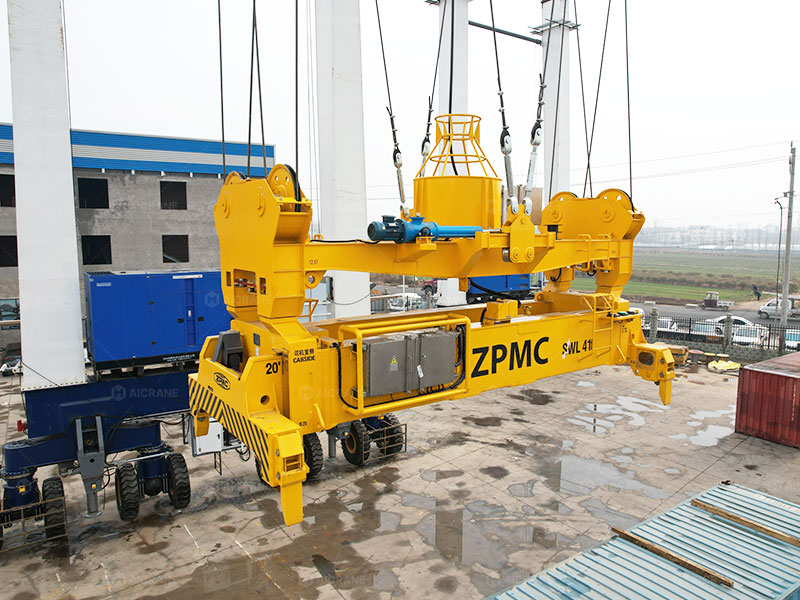
3. Mechanical and Hoist System Considerations
Mechanical systems are directly affected by environmental conditions. Safe design includes careful attention to the hoist, trolley, and drive mechanisms:
-
Hoist and Trolley Protection: Enclosures, covers, and weather-resistant housings protect the hoist motors, gearboxes, and cables from rain, dust, and salt spray. Sealed bearings and corrosion-resistant wire ropes prolong operational life.
-
Brake Systems: Hoist and trolley brakes must function reliably in high humidity, rain, and icy conditions. Wet or frozen brakes can compromise lifting safety. Modern designs often incorporate redundant braking systems and hydraulic or electro-mechanical solutions for consistent performance.
-
Drive Systems: AC drives and variable frequency drives (VFDs) must be rated for temperature extremes. Cooling systems or heaters may be necessary to maintain optimal performance.
-
Anti-Sway and Motion Control: High winds can cause load sway. Anti-sway systems, including active motion control and load position sensors, reduce the risk of collisions or dropped loads during adverse weather.
-
Inspection and Maintenance Accessibility: Mechanical components must be accessible for regular inspection and preventive maintenance, especially in areas prone to corrosion or wear due to environmental conditions.
4. Electrical and Control System Design
Electrical and control systems are particularly sensitive to environmental factors, and their safe design is crucial:
-
Enclosures and IP Ratings: Electrical panels, controllers, and sensors should be housed in enclosures with appropriate IP ratings (Ingress Protection) to resist water, dust, and corrosion. For coastal and humid regions, IP66 or higher is often recommended.
-
Temperature Control: Heating or cooling systems within control cabinets prevent condensation, overheating, or freezing of electrical components.
-
Cable Management: Power and control cables should be corrosion-resistant and protected from UV exposure. Cable trays should be designed to prevent water accumulation.
-
Redundant Safety Systems: Safety PLCs, limit switches, and load sensors ensure that environmental impacts such as wind gusts do not compromise operational safety. For instance, wind speed sensors can trigger automatic shutdowns if limits are exceeded.
-
Lightning Protection: For intermodal gantry cranes operating in open terminals, lightning protection systems reduce the risk of electrical damage during storms.
5. Operational Safety Strategies
Even with robust design, operational procedures are essential to ensure safety under varying environmental conditions:
-
Weather Monitoring: Ports should implement real-time weather monitoring systems, providing alerts for high winds, storms, or icy conditions. Cranes can be programmed to enter safe modes automatically.
-
Load Restrictions: Operational limits may vary based on environmental conditions. For example, reducing the maximum permissible load during high winds improves stability.
-
Emergency Shutdown Procedures: Clearly defined emergency procedures, including controlled lowering of containers, power shutdowns, and operator evacuation plans, are critical.
-
Operator Training: Operators must be trained to understand environmental risks, read sensors, and execute safety protocols under adverse conditions.
-
Regular Maintenance: Inspections for corrosion, wear, and alignment issues are vital in harsh environments. Preventive maintenance reduces the likelihood of equipment failure due to environmental stressors.
6. Case Studies and Practical Applications
Many ports around the world illustrate the need for environmental adaptation in crane design:
-
Coastal Ports: Gantry cranes in Singapore, Rotterdam, and Los Angeles are exposed to high humidity and salt-laden air. Designs include enhanced corrosion protection, sealed mechanical components, and wind-resistant structures.
-
Cold Climates: Northern European and Russian ports experience snow, ice, and freezing temperatures. Cranes are equipped with heaters for critical components, anti-icing systems, and special lubricants for low temperatures.
-
Seismic Zones: Ports in Japan and Chile use cranes with seismic dampers and reinforced bases to withstand earthquakes, preventing catastrophic structural failures.
7. Conclusion
Designing container handling gantry cranes for varying environmental conditions is a complex process that requires a holistic approach encompassing structural integrity, mechanical reliability, electrical safety, and operational protocols. By anticipating environmental challenges such as wind, temperature extremes, corrosion, seismic activity, and precipitation, engineers can develop cranes that maintain high safety standards, extend operational life, and reduce maintenance costs.
Modern CHGCs combine advanced materials, aerodynamic designs, weatherproof mechanical systems, robust electrical components, and intelligent control systems to ensure operational reliability under all environmental conditions. In addition, operational strategies, including weather monitoring, load restrictions, and operator training, complement these design measures to create a comprehensive safety framework.
Ultimately, safe design is not only about compliance with regulations but also about protecting human life, cargo, and port infrastructure. Ports that invest in environmental-adapted gantry crane designs experience fewer accidents, higher productivity, and longer-lasting equipment, demonstrating that safety and efficiency go hand-in-hand in modern container handling operations.